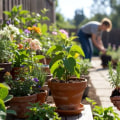
Understanding the importance of sunlight in garden care is crucial for any gardener aiming to cultivate a thriving landscape. Sunlight is not merely a source of light; it is a vital component that fuels the process of photosynthesis, enabling plants to convert light energy into chemical energy. This process is essential for plant growth, health, and productivity. Without adequate sunlight, even the most well-tended garden can struggle, leading to stunted growth, poor flowering, and increased susceptibility to pests and diseases. In addition to supporting photosynthesis, sunlight plays a significant role in regulating plant metabolism and development.
Different plants have varying light requirements; some thrive in full sun while others prefer partial shade. Understanding these needs is key to ensuring that your garden flourishes. For instance, sun-loving plants like tomatoes and peppers require at least six hours of direct sunlight daily, whereas shade-tolerant species such as ferns and hostas can thrive with just a few hours of filtered light. As you embark on your gardening journey, recognizing the signs of plant health related to sunlight exposure will empower you to make informed decisions about your garden's layout and plant selection. By assessing your garden's light conditions and matching them with the appropriate plants, you can create a harmonious environment that promotes growth and vitality.
In the following sections, we will delve deeper into how to evaluate your garden's sunlight exposure and determine whether your plants are receiving the right amount of light or shade.
Identifying Sunlight Requirements for Different Plants
Understanding the sunlight requirements of your plants is crucial for effective garden care. Different species have varying needs, and recognizing these can significantly impact their growth and health.Full Sun Plants
Plants that thrive in full sun require at least six hours of direct sunlight each day. These plants are typically more resilient and can handle the heat. Common examples include:- Tomatoes
- Sunflowers
- Lavender
- Marigolds
- Peppers
Partial Shade Plants
Partial shade plants do well with about three to six hours of sunlight daily, often benefiting from some protection during the hottest part of the day.Ideal choices for these conditions include:
- Hostas
- Astilbe
- Ferns
- Impatiens
- Bleeding Heart
Full Shade Plants
If your garden has areas that receive less than three hours of direct sunlight, you’ll need to select full shade plants. These species are adapted to thrive in low-light conditions. Some popular options include:- Japanese Forest Grass
- Toad Lily
- Lungwort
- Columbine
- Wild Ginger
Signs Your Plants Are Getting Enough Sunlight
Determining whether your plants are receiving enough sunlight is crucial for their overall health and growth.Here are some key signs of healthy plants that indicate they are basking in the right amount of light:
- Vibrant Color: Healthy plants typically exhibit rich, vibrant colors. If the leaves are bright green or showcase their natural hues, it’s a good sign they are getting sufficient sunlight. Conversely, pale or yellowing leaves may indicate insufficient light.
- Strong Growth: Plants that receive adequate sunlight tend to grow vigorously. If you notice your plants are stretching towards the light source or have robust stems, they are likely thriving in their environment.
- Leaf Size and Shape: The size and shape of leaves can also be indicators of sunlight exposure.
Well-lit plants often have larger leaves that are well-formed, while those in low light may develop smaller, elongated leaves as they reach for more light.
- Flowering and Fruiting: For flowering plants, the presence of blooms is a clear indicator of good health. If your plants are producing flowers or fruit, it’s a strong sign they are receiving the necessary sunlight to support these processes.
- No Signs of Stress: Healthy plants should not show signs of stress such as wilting or drooping. If your plants appear perky and upright, it’s a good indication that they are well-situated in terms of light exposure.
Regularly observing your plants will help you adjust their placement as needed to ensure optimal growth.
Signs Your Plants Are Not Getting Enough Sunlight
Understanding the signs of insufficient sunlight is crucial for maintaining healthy plants in your garden. When plants do not receive adequate light, they exhibit several telltale symptoms that can help you identify the issue. One of the most common indicators is the presence of leggy plants. If your plants are stretching towards the light source, with long, thin stems and sparse leaves, it’s a clear sign they are not getting enough sunlight. This elongation occurs as the plant attempts to reach for more light, which can lead to weak growth and an unbalanced appearance. Another significant symptom is yellowing leaves.While yellowing can be caused by various factors, insufficient sunlight often leads to a lack of chlorophyll production. As a result, leaves may turn yellow and drop prematurely. If you notice this happening, it’s essential to assess the light conditions your plants are experiencing.
- Check for leaf drop: In addition to yellowing, if leaves are falling off your plants, it may indicate they are stressed due to inadequate light.
- Monitor growth patterns: Healthy plants should show consistent growth. If your plants seem stagnant or are growing at an unusually slow rate, they might be struggling with low light levels.
- Observe leaf size: Smaller than normal leaves can also signal that your plants are not receiving enough sunlight.
Adjusting their environment can significantly improve their health and vitality.
How to Measure Sunlight in Your Garden
Understanding how to measure sunlight in your garden is crucial for effective garden care. Proper light exposure can significantly impact plant health and growth. Here are some methods and tools to assess sunlight in your garden:- Observe Shadow Patterns: Spend a day observing how shadows move across your garden. Note the areas that receive full sun, partial shade, or full shade at different times of the day.
This simple technique can help you understand the light dynamics in your space.
- Use a Light Meter: A light meter is a valuable tool for measuring the intensity of sunlight in your garden. These devices can provide precise readings of light levels, helping you determine if your plants are getting enough light. To use a light meter, place it in various spots around your garden and record the readings at different times of the day.
- Track Sunlight Hours: Keep a journal to track how many hours of sunlight each area of your garden receives daily. This can be particularly useful during different seasons when sunlight patterns change.
By documenting this information, you can make informed decisions about plant placement.
- Assess Plant Health: Pay attention to how your plants respond to their environment. If they are stretching towards the light or exhibiting signs of stunted growth, they may not be receiving adequate sunlight. Conversely, if leaves are scorched or yellowing, they might be getting too much direct sun.
Adjusting Light Conditions for Optimal Plant Growth
To ensure your plants are thriving, it’s essential to adjust light conditions based on their specific needs.If you notice signs of stress, such as yellowing leaves or stunted growth, it may be time to reassess their light exposure.
Relocating Your Plants
- Observe Sunlight Patterns: Take note of how sunlight moves across your garden throughout the day. This will help you identify areas that receive full sun, partial shade, or full shade.
- Move Plants Gradually: If a plant is not receiving enough light, consider relocating it to a sunnier spot. Make the transition gradual to prevent shock; start by moving it for a few hours each day before placing it in its new location permanently.
- Group Plants Wisely: Place plants with similar light requirements together. This not only simplifies care but also maximizes their exposure to the right amount of sunlight.
Using Shade Cloths
- Provide Protection: For plants that are getting too much sunlight, especially during the hottest parts of the day, consider using shade cloths.
These can help filter sunlight and reduce heat stress.
- Select the Right Shade Cloth: Shade cloths come in various densities. Choose one that offers 30-50% shade for most plants needing protection from intense sun while still allowing some light to penetrate.
- Adjust as Needed: Be prepared to adjust the position or density of your shade cloths as seasons change and sunlight patterns shift.
Common FAQs About Sunlight and Shade for Plants
Understanding the sunlight and shade requirements of your plants is crucial for effective garden care. Here are some common questions and answers that can help you ensure your plants thrive.- How can I tell if my plants are getting enough sunlight?
Look for signs such as stunted growth, yellowing leaves, or leggy stems.If your plants are stretching towards the light, they may not be receiving enough. Additionally, check if the leaves are turning pale or dropping off, which can indicate insufficient light.
- What types of plants need full sun?
Many flowering plants and vegetables thrive in full sun, which is typically defined as at least 6 hours of direct sunlight per day. Examples include tomatoes, peppers, and sunflowers. - Can I move my plants to a sunnier spot?
Yes, but do so gradually to avoid shocking the plants. Start by placing them in indirect light for a few days before moving them to their new location. - What are the signs of too much sunlight?
If your plants exhibit signs like browning leaf edges, scorched leaves, or wilting despite adequate watering, they may be getting too much sun.Consider providing some shade during the hottest parts of the day.
- How do I know if my shaded area is suitable for plants?
Observe the area throughout the day. If it receives less than 3 hours of direct sunlight, consider planting shade-tolerant species such as ferns, hostas, or impatiens.
Conclusion: Ensuring Your Plants Thrive with Proper Light Management
In conclusion, understanding the light requirements of your plants is crucial for effective garden care. By recognizing the signs of both insufficient and excessive sunlight, you can make informed decisions that promote healthy growth and vibrant blooms. To recap, here are some key points to consider:- Observe your plants: Regularly check for signs of stress, such as yellowing leaves or stunted growth, which may indicate inadequate light.
- Know your plant types: Different species have varying light needs; familiarize yourself with whether your plants prefer full sun, partial shade, or full shade.
- Utilize tools: Consider using light meters or apps that measure sunlight exposure to accurately assess the conditions in your garden.
- Adjust placement: Don’t hesitate to move your plants around to find their ideal light conditions, especially during seasonal changes.
With careful observation and management of light exposure, you can cultivate a flourishing garden that brings joy and satisfaction for years to come.