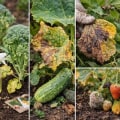
Maintaining a thriving garden requires more than just planting seeds and watering them; it involves comprehensive garden care that addresses various factors affecting plant health. One of the most significant challenges gardeners face is the presence of pests. These unwelcome visitors can wreak havoc on your plants, leading to stunted growth, disease, and even total crop failure. Understanding the role of pest management is crucial for anyone looking to cultivate a flourishing garden. Effective garden care begins with recognizing the signs of pest infestations.
Common garden pests, such as aphids, caterpillars, and spider mites, can be easily overlooked until they have caused substantial damage. By familiarizing yourself with these pests and their behaviors, you can take proactive measures to protect your plants. This not only ensures a healthier garden but also promotes a more sustainable approach to gardening. In this article, we will explore various strategies for identifying and managing common garden pests. From natural remedies to integrated pest management techniques, understanding how to combat these threats will empower you to maintain a vibrant and productive garden.
With the right knowledge and tools at your disposal, you can enjoy the fruits of your labor while keeping your plants safe from harm.
Understanding Common Garden Pests
Maintaining a healthy garden requires vigilance against a variety of common garden pests that can wreak havoc on your plants. Understanding these pests is the first step in effective garden care.Among the most notorious types of garden pests are insects, which can be categorized into several groups:- Chewing Insects: These pests, such as caterpillars, grasshoppers, and beetles, feed on the leaves and stems of plants, causing visible damage.
- Sucking Insects: Aphids, spider mites, and whiteflies fall into this category. They extract sap from plants, leading to wilting and stunted growth.
- Soil-Dwelling Pests: Grubs and root maggots can damage the roots of your plants, making it difficult for them to absorb nutrients and water.
While they can be beneficial by controlling insect populations, their appetite for your produce can be detrimental. To effectively manage these pests, it’s essential to practice regular pest identification. Observing your garden frequently allows you to spot signs of infestation early. Look for:
- Visible damage on leaves or fruits
- Pest droppings or shed skins
- Pest presence on plants during inspections
Insect Pests: Identification and Impact
In the realm of garden care, understanding the various insect pests that can wreak havoc on your plants is crucial for maintaining a healthy garden. Among the most common culprits are aphids, caterpillars, and beetles.Each of these pests has distinct characteristics and can cause significant damage if not addressed promptly.
Aphids
Aphids are small, soft-bodied insects that typically cluster on the undersides of leaves and stems. They come in various colors, including green, black, and yellow. These pests feed by sucking the sap from plants, which can lead to stunted growth, yellowing leaves, and even plant death in severe cases. Additionally, aphids excrete a sticky substance known as honeydew, which can attract other pests and lead to sooty mold growth.Caterpillars
Caterpillars, the larval stage of moths and butterflies, are notorious for their voracious appetites.They can be easily identified by their elongated bodies and distinct patterns. Depending on the species, caterpillars may feed on leaves, flowers, or even fruits. Their feeding habits can result in significant defoliation, making plants more susceptible to disease and stress. Regularly inspecting your plants for signs of caterpillar damage, such as chewed leaves or frass (caterpillar droppings), is essential for early intervention.
Beetles
Beetles encompass a wide variety of species that can pose threats to your garden.Common garden beetles include the Japanese beetle and the cucumber beetle. These pests often feed on foliage, flowers, and fruits, leading to unsightly damage and reduced yields. Identifying beetles can be straightforward; they typically have hard shells and are often brightly colored. To manage beetle populations, consider handpicking them off plants or using traps designed specifically for their species.By familiarizing yourself with these common insect pests—aphids, caterpillars, and beetles—you can take proactive steps in your garden care routine.
Regular monitoring and early identification are key to preventing infestations and ensuring your garden thrives.
Rodents and Other Mammals: Threats to Your Garden
When it comes to garden care, understanding the threats posed by rodents and other mammals is crucial for maintaining a healthy and thriving garden. These animals can cause significant damage, often leading to the loss of plants and produce.Rodent Pests
Rodents such as mice and rats are notorious for their destructive behavior in gardens. They tend to gnaw on stems, roots, and even fruits, which can stunt plant growth or lead to complete plant death. Their burrowing habits can also disrupt the soil structure, making it difficult for plants to establish strong root systems.Rabbits
Rabbits are another common threat to gardens.These furry creatures are known for their voracious appetites and can quickly decimate young plants. They particularly enjoy tender greens, such as lettuce and spinach, as well as flowering plants. To protect your garden from rabbits, consider using fencing or planting rabbit-resistant varieties.
Deer
Deer pose a significant challenge for gardeners, especially in suburban areas where their natural habitats overlap with residential gardens. They are attracted to a wide variety of plants, including shrubs and ornamental flowers.Deer can easily leap over fences that are not tall enough, so it's essential to implement effective barriers or repellents to keep them at bay.
Squirrels
Squirrels may not be as destructive as some other mammals, but they can still wreak havoc in your garden. They often dig up bulbs and seeds, searching for food. Additionally, they may nibble on fruits and vegetables once they ripen. To deter squirrels, consider using netting or other protective measures around vulnerable plants.In summary, protecting your garden from these rodent pests and mammals requires vigilance and proactive measures.By understanding their behaviors and implementing effective strategies, you can safeguard your garden and ensure its health and productivity.
Signs of Pest Infestation in Your Garden
Detecting a pest infestation in your garden early can save your plants from significant damage. Here are some common signs of pest infestation that every gardener should be aware of:- Visible Damage: Look for signs of chewing or holes in leaves, stems, and fruits. This can indicate the presence of insects like caterpillars or beetles.
- Discoloration: Yellowing leaves or stunted growth may suggest that pests are feeding on your plants. Aphids and spider mites often cause these symptoms.
- Webbing: Fine webs on plants can be a sign of spider mites.
These tiny pests can quickly multiply and cause severe damage if not addressed.
- Excrement: Finding small droppings on leaves or around the base of plants is a clear indicator of pest activity. Different pests leave different types of droppings, so identifying them can help you determine the specific pest.
- Presence of Pests: Regularly inspect your plants for visible pests. Look under leaves and in the soil for insects like slugs, snails, or aphids.
Early detection is key to managing infestations before they escalate into more significant issues.
Preventive Measures for Pest Control
Preventing pest infestations is a crucial aspect of garden care that can save you time, effort, and resources. By implementing effective pest prevention strategies, you can create a thriving garden environment that minimizes the risk of damage from common pests.1.Maintain Healthy Soil
- Healthy soil is the foundation of a robust garden. Regularly amend your soil with organic matter such as compost to improve its structure and nutrient content.
- Conduct soil tests to determine pH levels and nutrient deficiencies, allowing you to tailor your amendments accordingly.
2.Choose Resistant Plant Varieties
- Selecting plants that are naturally resistant to pests can significantly reduce the likelihood of infestations. Research local varieties that thrive in your climate and are less susceptible to common pests.
- Incorporate companion planting, where certain plants are grown together to deter pests.
For example, marigolds can repel nematodes and other harmful insects.
3.Implement Organic Pest Control Methods
- Utilize natural predators such as ladybugs and lacewings, which feed on aphids and other harmful insects. You can attract these beneficial insects by planting flowers like dill and fennel.
- Consider using organic insecticidal soaps or neem oil as a treatment for existing pest problems. These products are less harmful to beneficial insects and the environment.
4.Regular Monitoring and Maintenance
- Regularly inspect your plants for signs of pest activity, such as discolored leaves or visible insects. Early detection is key to effective management.
- Keep your garden tidy by removing debris, fallen fruit, and dead plants that can harbor pests.
5.Create Physical Barriers
- Use row covers or netting to protect young plants from insect damage while allowing sunlight and moisture to reach them.
- Install copper tape around raised beds to deter slugs and snails from entering your garden space.
Natural Remedies for Common Garden Pests
Managing pests in your garden can be a daunting task, but utilizing natural remedies can provide effective solutions without harming the environment.Here are some homemade pest control solutions that can help protect your plants.
- Neem Oil: Extracted from the seeds of the neem tree, neem oil is a powerful natural pesticide. It disrupts the life cycle of pests like aphids and spider mites, making it an excellent choice for eco-friendly pest management. Mix a few drops of neem oil with water and a mild soap, then spray it on affected plants.
- Garlic Spray: Garlic is not only a culinary staple but also a potent pest deterrent. Blend several cloves of garlic with water, strain the mixture, and spray it on your plants.
The strong odor repels many insects while being safe for beneficial ones.
- Soap Solution: A simple mixture of water and liquid soap can effectively control soft-bodied insects like aphids and whiteflies. Use one to two tablespoons of mild liquid soap per gallon of water and spray directly onto the pests.
- Cayenne Pepper: This spice can deter a variety of pests. Mix cayenne pepper with water and a few drops of soap to create a spray that will keep unwanted insects at bay.
- Diatomaceous Earth: This natural powder is made from fossilized algae and works by dehydrating insects that come into contact with it. Sprinkle it around your plants to create a barrier against crawling pests.
Encourage beneficial insects like ladybugs and lacewings by planting diverse flowers and herbs. These natural predators will help keep harmful pests in check.By incorporating these homemade pest control solutions, you can effectively manage common garden pests while ensuring your garden remains a safe haven for both plants and wildlife.
When to Seek Professional Help for Pest Problems
While many garden pests can be managed with DIY methods, there are certain situations where seeking professional pest control services becomes essential. Understanding when to call an expert can save your garden from severe damage and ensure a healthier growing environment.Signs of Severe Pest Infestations
If you notice any of the following signs, it may be time to consult a professional:- Rapid plant decline: If your plants are wilting, yellowing, or dying at an alarming rate, it could indicate a serious pest problem.
- Visible pest populations: Large numbers of pests, such as aphids or caterpillars, that are overwhelming your plants may require expert intervention.
- Unusual damage patterns: If you observe irregular holes in leaves or significant fruit loss, this could signal a more complex infestation.
- Recurring issues: If you find yourself battling the same pests year after year despite your best efforts, it might be time to bring in a professional.
The Benefits of Professional Help
Engaging a pest control expert offers several advantages:- Expertise: Professionals have the training and experience to identify pests accurately and understand their life cycles.
- Targeted treatments: They can apply specific treatments that are more effective than general DIY solutions, minimizing harm to beneficial insects and the environment.
- Long-term solutions: Experts can provide strategies to prevent future infestations, ensuring your garden remains healthy over time.
Frequently Asked Questions About Garden Pests
When it comes to garden care, understanding common pests and their management is crucial for maintaining a healthy garden.Here are some frequently asked questions regarding garden pests:
What are the most common garden pests?
- Aphids: Small, soft-bodied insects that suck sap from plants, leading to stunted growth.
- Spider Mites: Tiny arachnids that create webs and cause leaf discoloration.
- Slugs and Snails: Mollusks that feed on leaves, leaving behind holes and slime trails.
- Whiteflies: Small, white flying insects that also suck sap and can transmit diseases.
- Japanese Beetles: Metallic green beetles that consume foliage and flowers.
How can I identify if my plants are infested?
Look for signs such as yellowing leaves, holes in foliage, or visible insects. Additionally, sticky residue on leaves may indicate aphid presence, while webbing can suggest spider mites.What are effective pest management strategies?
- Cultural Control: Rotate crops and maintain healthy soil to reduce pest populations.
- Physical Barriers: Use row covers or nets to protect plants from pests.
- Natural Predators: Introduce beneficial insects like ladybugs or lacewings that prey on harmful pests.
- Pesticides: If necessary, opt for organic pesticides that target specific pests without harming beneficial insects.
Conclusion: Maintaining a Healthy Garden Through Pest Awareness
In conclusion, maintaining a healthy garden requires vigilance and a proactive approach to pest management. Understanding the common pests that can threaten your plants is the first step in effective garden care. From aphids to slugs, each pest presents unique challenges that can lead to significant damage if left unchecked. Implementing integrated pest management (IPM) strategies is essential.This includes:
- Regular Monitoring: Keep a close eye on your plants for any signs of pest activity. Early detection can make a significant difference in controlling infestations.
- Encouraging Beneficial Insects: Attracting natural predators like ladybugs and lacewings can help keep harmful pest populations in check.
- Using Organic Solutions: Consider organic pesticides or homemade remedies as a first line of defense. These options are often less harmful to beneficial insects and the environment.
- Crop Rotation: Changing the location of your plants each season can disrupt the life cycles of pests that may have established themselves in your garden.
Stay informed, stay vigilant, and enjoy the fruits of your labor with a healthy, pest-free garden.