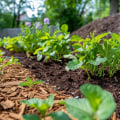
When it comes to garden care, one of the most critical yet often overlooked aspects is drainage. Proper drainage is essential for maintaining healthy plants and ensuring the overall vitality of your garden. Without adequate drainage, excess water can accumulate in the soil, leading to a host of problems such as root rot, fungal diseases, and nutrient leaching. Understanding the importance of garden drainage is the first step toward creating a thriving outdoor space. Effective drainage not only protects your plants but also enhances soil health.
Well-drained soil allows for better air circulation and promotes beneficial microbial activity, which are vital for nutrient absorption. Additionally, good drainage helps prevent soil erosion and compaction, both of which can hinder plant growth. By prioritizing drainage in your garden care routine, you set the foundation for a flourishing ecosystem where plants can thrive. Moreover, recognizing why drainage matters extends beyond just plant health; it also impacts water conservation efforts. In regions prone to heavy rainfall, managing excess water through proper drainage techniques can help mitigate flooding and reduce runoff, ultimately benefiting the environment.
As we delve deeper into this topic, we will explore various methods to improve drainage in your garden, ensuring that your plants receive the optimal conditions they need to flourish.
Identifying Drainage Issues in Your Garden
Identifying drainage issues in your garden is essential for maintaining healthy plants and a thriving landscape. Poor drainage can lead to a variety of problems, including waterlogged soil, which can suffocate roots and promote disease. Here are some key signs to look for:- Water Pooling: After heavy rain, observe if water collects in certain areas of your garden. Persistent puddles indicate that the soil cannot absorb water efficiently.
- Soil Erosion: If you notice that soil is washing away from slopes or garden beds, this could be a sign of inadequate drainage.
Erosion not only depletes nutrients but also alters the landscape.
- Plant Health Issues: Yellowing leaves, stunted growth, or wilting plants can signal drainage problems. Overly saturated soil can lead to root rot and other diseases that compromise plant health.
- Dig a hole about 12 inches deep and fill it with water.
- Observe how long it takes for the water to drain away. Ideally, it should drain within 1-2 hours.
Assessing Soil Type and Its Impact on Drainage
Understanding your garden's soil type is crucial for effective drainage.Different soil types have unique characteristics that significantly influence how water moves through them. The three primary soil types are clay, sandy, and loamy, each with distinct drainage properties.
Clay Soil
Clay soil is known for its fine particles that pack tightly together, creating a dense structure. This type of soil retains moisture well but can lead to poor drainage, causing water to pool on the surface. If your garden has clay soil, consider the following strategies to improve drainage:- Add organic matter: Incorporating compost or well-rotted manure can help break up clay particles and enhance drainage.
- Create raised beds: Elevating your garden beds can facilitate better water runoff and reduce pooling.
- Install drainage tiles: Subsurface drainage systems can effectively redirect excess water away from plant roots.
Sandy Soil
Sandy soil, in contrast, consists of larger particles that allow water to drain quickly.While this can prevent waterlogging, it also means that nutrients and moisture can leach away rapidly. To improve the retention of moisture and nutrients in sandy soil, consider these tips:
- Add organic matter: Similar to clay soil, adding compost can help retain moisture and improve nutrient availability.
- Use mulch: Applying a layer of mulch can reduce evaporation and keep the soil temperature stable.
Loamy Soil
Loamy soil is often considered the ideal garden soil as it contains a balanced mixture of sand, silt, and clay. This combination allows for good drainage while retaining sufficient moisture and nutrients. If you are fortunate enough to have loamy soil, maintaining its structure is key:- Avoid compaction: Limit foot traffic in your garden to prevent soil compaction, which can hinder drainage.
- Regularly amend with organic matter: Continually adding compost will keep your loamy soil healthy and productive.
By understanding how different soils behave, you can take targeted actions to enhance your garden's health and productivity.
Techniques to Improve Garden Drainage
Improving drainage in your garden is essential for maintaining healthy plants and preventing waterlogged soil. Here are several effective techniques to enhance garden drainage:- Install French Drains: A French drain is a trench filled with gravel or rock that redirects water away from your garden. To install one, dig a trench that slopes away from your garden area, line it with landscape fabric, and fill it with gravel. This will help channel excess water away, reducing the risk of root rot.
- Use Raised Beds: Building raised garden beds is an excellent way to improve drainage.
By elevating the soil, you allow excess water to flow away more easily. Additionally, raised beds warm up faster in the spring, promoting earlier plant growth.
- Amend Soil with Organic Matter: Incorporating organic matter such as compost or well-rotted manure into your soil can significantly improve its structure and drainage capabilities. Organic matter helps create air pockets in the soil, allowing water to flow through more freely.
- Implement Contour Gardening: This technique involves shaping your garden beds to follow the natural contours of the land. By doing so, you can create channels that direct water away from sensitive areas and prevent pooling.
- Install Drainage Tiles: For more severe drainage issues, consider installing perforated drainage tiles below the soil surface.
These tiles collect excess water and transport it away from your garden, ensuring that your plants have the right moisture levels.
Utilizing Plants for Natural Drainage Solutions
Improving drainage in your garden can be effectively achieved by incorporating specific plants that naturally enhance soil structure and absorb excess moisture. These plants not only contribute to garden care but also create a more sustainable ecosystem.Plants That Improve Drainage
- Willow Trees: Known for their extensive root systems, willows can absorb large amounts of water, making them ideal for wet areas.
- Blue Flag Iris: This native plant thrives in moist conditions and helps stabilize soil while providing beautiful blooms.
- Marsh Marigold: Perfect for boggy spots, this perennial can help manage water levels while adding vibrant color to your garden.
- Ferns: Many fern species, such as the Ostrich Fern, can tolerate wet conditions and help improve drainage through their root systems.
- Native Grasses: Grasses like Switchgrass and Big Bluestem are excellent for absorbing excess water and preventing soil erosion.
By choosing the right species, you can create a thriving garden that effectively manages water while enhancing its overall aesthetic appeal.
Maintaining Proper Drainage Year-Round
Maintaining proper drainage in your garden is essential for year-round garden care. Seasonal changes can significantly impact soil moisture levels, so it’s crucial to adapt your maintenance practices accordingly.Spring: Assess and Prepare
As the snow melts and rain increases, inspect your garden for any signs of poor drainage. Look for areas where water tends to pool and consider implementing the following:- Clear debris: Remove leaves, branches, and other organic matter from gutters and drainage ditches to ensure water flows freely.
- Test soil drainage: Conduct a simple drainage test by digging a hole about 12 inches deep and filling it with water. If it takes more than 24 hours to drain, you may need to amend your soil.
- Add organic matter: Incorporate compost or well-rotted manure into your soil to improve its structure and drainage capabilities.
Summer: Monitor and Adjust
During the hot months, keep an eye on how well your garden drains after heavy rains.Here are some tips:
- Mulch: Apply a layer of mulch around plants to help retain moisture while preventing soil erosion.
- Check for compaction: Regularly aerate compacted areas to enhance water infiltration.
- Install rain gardens: Consider creating a rain garden in low-lying areas to absorb excess water.
Fall: Prepare for Winter
As temperatures drop, it’s important to prepare your garden for winter:- Clean up: Remove fallen leaves and debris that can block drainage systems.
- Inspect drainage systems: Ensure that all drains and gutters are clear and functioning properly before the first snowfall.
winter: Monitor Soil Conditions
Even in winter, monitoring is key. Check for frozen ground conditions that may affect drainage when the thaw occurs. If you notice persistent pooling in certain areas, consider installing additional drainage solutions like French drains or dry wells.By following these seasonal tips for maintaining garden drainage, you can ensure that your plants thrive throughout the year while effectively managing water flow in your garden.FAQs About Garden Drainage Improvement
Improving drainage in your garden is a common concern among gardeners. Here are some frequently asked questions that can help clarify your doubts and guide you in enhancing your garden care practices.- What are the signs of poor drainage in my garden?
Look for water pooling after heavy rain, soggy soil, or plants that are wilting despite adequate watering.These are clear indicators that your garden may have drainage issues.
- How can I test the drainage of my soil?
A simple test involves digging a hole about 12 inches deep and filling it with water. If the water drains away within an hour, your drainage is likely adequate. If it takes longer, you may need to take action. - What are some effective methods to improve drainage?
Consider the following techniques:- Add organic matter: Incorporating compost or well-rotted manure can improve soil structure and drainage.
- Create raised beds: Elevating your garden beds can help excess water drain away more effectively.
- Install drainage tiles: For severe drainage issues, installing perforated pipes can redirect excess water away from your plants.
- Use mulch: Applying a layer of mulch can help retain moisture while allowing excess water to evaporate.
- Can I improve drainage without professional help?
Yes! Many drainage improvement techniques can be done as DIY projects. However, for extensive issues, consulting a professional may be beneficial. - How often should I check my garden's drainage?
Regular checks after heavy rainfall or during the growing season can help you stay ahead of potential problems.Keeping an eye on plant health is also crucial.
Conclusion: Key Takeaways for Effective Garden Drainage Management
In conclusion, effective garden care hinges on understanding and managing drainage. Proper drainage not only protects your plants from root rot but also enhances soil health and promotes overall garden vitality. Here are the key takeaways to consider:- Assess Your Soil: Regularly check your soil type and its drainage capabilities. Sandy soils drain quickly, while clay soils retain moisture.
Knowing your soil helps in making informed decisions.
- Implement Drainage Solutions: Consider installing French drains, swales, or rain gardens to redirect excess water away from plant roots. These solutions can significantly improve water flow and prevent pooling.
- Utilize Organic Matter: Incorporating compost or well-rotted manure into your soil can enhance its structure, improving drainage and nutrient retention.
- Monitor Watering Practices: Overwatering is a common issue that can lead to poor drainage. Adjust your watering schedule based on weather conditions and soil moisture levels.
- Regular Maintenance: Keep gutters, downspouts, and drainage systems clear of debris to ensure they function effectively. Regularly inspect your garden for signs of poor drainage, such as standing water or wilting plants.
Remember, effective garden care is an ongoing process that requires attention and adaptation to changing conditions. Take action today to improve your garden's drainage and enjoy the benefits of a flourishing landscape.