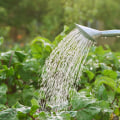
Caring for a garden is not just about planting seeds and watering them; it encompasses a range of practices that ensure your plants thrive and your outdoor space flourishes. Understanding the basics of garden care is essential for both novice and experienced gardeners alike. By grasping fundamental principles, you can create a vibrant garden that not only enhances your home but also provides a sanctuary for wildlife and a source of fresh produce. One of the most significant aspects of effective garden care is recognizing the common pitfalls that many gardeners encounter. From overwatering to neglecting soil health, these mistakes can hinder plant growth and lead to frustration.
By being aware of these challenges, you can implement strategies to avoid them, ensuring that your gardening efforts yield the best possible results. Moreover, understanding the importance of proper garden care goes beyond aesthetics; it fosters a deeper connection with nature and promotes sustainability. As you embark on your gardening journey, consider how each decision impacts not only your plants but also the environment. This awareness will guide you in making informed choices that benefit both your garden and the ecosystem. In the following sections, we will delve into specific gardening tips and highlight common gardening mistakes to avoid. By learning from these insights, you can cultivate a thriving garden that brings joy and satisfaction for years to come.
Neglecting Soil Health
One of the most critical aspects of garden care is maintaining soil health.Many gardeners make the mistake of neglecting this foundational element, which can lead to a cascade of problems affecting plant growth and overall garden vitality.
Ignoring soil testing
is a common pitfall. Soil testing provides essential information about nutrient levels, pH balance, and organic matter content. Without this knowledge, gardeners may apply fertilizers or amendments that are unnecessary or even harmful. Regular soil tests can help you understand what your garden needs, allowing for more targeted and effective care.Another frequent mistake is failing to amend the soil properly.Soil amendments, such as compost, peat moss, or well-rotted manure, can significantly enhance soil structure and fertility. Here are some common amendments and their benefits:
- Compost: Improves soil structure, provides nutrients, and enhances microbial activity.
- Peat Moss: Increases moisture retention and aeration in sandy soils.
- Gypsum: Helps to improve drainage in clay soils and adds calcium without altering pH.
By rotating crops each season, you can help maintain a balanced nutrient profile and reduce the risk of pest infestations and diseases.In summary, prioritizing soil health through regular testing and appropriate amendments is essential for successful garden care. Avoiding these common mistakes will not only enhance plant growth but also contribute to a more sustainable gardening practice.
Overwatering and Underwatering Plants
When it comes to garden care, one of the most critical aspects is understanding the balance between overwatering and underwatering your plants. Both extremes can lead to detrimental effects on plant health, making it essential to find the right watering schedule.Overwatering
is a common mistake that many gardeners make. It can lead to root rot, a condition where the roots become waterlogged and begin to decay.
Signs of overwatered plants include yellowing leaves, wilting despite wet soil, and a foul smell emanating from the soil. To avoid this, ensure that your pots have adequate drainage and only water when the top inch of soil feels dry.On the other hand, underwatering can be just as harmful. Plants deprived of sufficient moisture may exhibit drooping leaves, dry soil, and stunted growth. To prevent underwatering, establish a consistent watering routine based on your plants' needs and environmental conditions.
Factors such as temperature, humidity, and plant type all play a role in determining how much water your garden requires.
Watering Tips:
- Check Soil Moisture: Use your finger to test the soil moisture level before watering. If it feels dry an inch below the surface, it's time to water.
- Water Deeply: When you do water, ensure you soak the soil thoroughly to encourage deep root growth.
- Time Your Watering: Water early in the morning or late in the afternoon to minimize evaporation and allow plants to absorb moisture effectively.
- Observe Your Plants: Pay attention to your plants' responses after watering; they will often signal their needs through their appearance.
Ignoring Pest Management
Effective garden care goes beyond watering and fertilizing; it also requires vigilant pest management. One of the most common mistakes gardeners make is ignoring early signs of pests. By the time you notice significant damage, it may be too late to save your plants.Regularly inspect your garden for any unusual signs, such as discolored leaves, holes, or webbing, which can indicate the presence of pests.Common garden pests include:
- Aphids: Small, soft-bodied insects that suck sap from plants.
- Spider mites: Tiny arachnids that create fine webs and cause leaf discoloration.
- Slugs and snails: Mollusks that feed on tender plant leaves, often leaving a trail of slime.
- Whiteflies: Small, white insects that can weaken plants by feeding on their sap.
- Regular Monitoring: Check your plants frequently for signs of infestation. Early detection is key to preventing widespread damage.
- Encourage Beneficial Insects: Ladybugs and lacewings are natural predators of many common pests. Planting flowers like marigolds can attract these helpful insects.
- Use Organic Pesticides: If pest populations become unmanageable, opt for organic solutions such as neem oil or insecticidal soap to minimize harm to beneficial insects and the environment.
- Practice Crop Rotation: Changing the location of your plants each season can disrupt pest life cycles and reduce infestations.
Choosing the Wrong Plants for Your Environment
One of the most significant gardening mistakes that novice and even experienced gardeners make is choosing the wrong plants for their specific environment.Understanding your local climate and the unique conditions of your garden is crucial for successful garden care.Before selecting plants, consider the following factors:
- Climate Zone: Different plants thrive in different climate zones. Research your USDA hardiness zone to determine which plants are most likely to survive and flourish in your area.
- Soil Type: The composition of your soil—whether it’s sandy, clay, or loamy—can significantly affect plant growth. Conduct a soil test to understand its pH and nutrient levels.
- Sunlight Exposure: Assess how much sunlight your garden receives throughout the day. Some plants require full sun, while others thrive in partial shade.
Choosing plants that match your garden's light conditions is essential.
- Water Availability: Consider how much water your garden can provide. Drought-tolerant plants are ideal for arid regions, while moisture-loving plants are better suited for areas with high rainfall.
Native Plants:
Incorporating native plants into your garden can be a wise choice. These species are adapted to local conditions and often require less maintenance, making them ideal for sustainable garden care.Avoiding the mistake of improper plant selection not only enhances the beauty of your garden but also promotes a healthier ecosystem.
By taking the time to understand your environment and choosing the right plants, you set yourself up for gardening success.
Failing to Prune and Maintain Plants Regularly
One of the most critical aspects of garden care is the regular pruning and maintenance of plants. Neglecting this essential task can lead to a host of problems, including stunted growth, disease, and even plant death. Understanding the importance of timely and proper pruning techniques is vital for any gardener.Common Pruning Mistakes
- Pruning at the Wrong Time: Each plant species has its own ideal pruning season. For instance, flowering shrubs should be pruned right after they bloom, while others may require winter pruning.
Ignoring these timelines can result in the loss of blooms or damage to the plant.
- Using Dull Tools: Sharp tools are essential for clean cuts that promote healing. Dull shears can crush stems, making them susceptible to disease. Always ensure your tools are well-maintained before starting any pruning task.
- Over-Pruning: While it may seem beneficial to cut back plants significantly, over-pruning can stress them and hinder their growth. Aim to remove no more than one-third of a plant's foliage at a time.
- Ignoring Plant Health: Before pruning, assess the overall health of your plants.
If a plant is diseased or infested with pests, pruning may not be the best first step. Addressing underlying issues should take precedence.
Essential Plant Maintenance Tips
- Regular Inspections: Make it a habit to inspect your plants regularly for signs of stress or disease. Early detection can save you time and effort in the long run.
- Seasonal Care: Adjust your maintenance routine according to the seasons. This includes not only pruning but also watering, fertilizing, and mulching practices that support healthy growth.
- Research Specific Needs: Different plants have unique care requirements.
Familiarize yourself with the specific needs of each species in your garden to ensure optimal health.
Not Planning for Seasonal Changes
One of the most significant mistakes in garden care is failing to plan for seasonal changes. Each season brings its own set of challenges and opportunities, and understanding these can make a substantial difference in the health and productivity of your garden.Winter Preparation
- Neglecting to protect plants: Many gardeners underestimate the impact of winter on their plants. Failing to cover sensitive plants or not applying mulch can lead to frost damage.
- Ignoring soil health: Winter is an excellent time to amend your soil.
Not doing so can result in nutrient depletion by spring.
Spring Awakening
- Planting too early: While it’s tempting to get a head start, planting before the last frost can jeopardize your seedlings. Always check local frost dates.
- Overlooking pest control: As temperatures rise, pests become more active. Failing to implement preventive measures can lead to infestations that are hard to manage later.
Summer Maintenance
- Inadequate watering: During hot months, plants require more water. Not adjusting your watering schedule can lead to stress and wilting.
- Ignoring weeds: Weeds thrive in summer heat.
Neglecting them can lead to competition for nutrients and water, ultimately harming your plants.
Fall Cleanup
- Forgetting about fallen leaves: Leaving leaves on the ground can harbor pests and diseases. Regular cleanup is essential for a healthy garden.
- Lack of planning for next year: Fall is the perfect time to assess what worked and what didn’t. Not taking notes or making adjustments can lead to repeated mistakes in the next growing season.
Overlooking Fertilization Needs
When it comes to garden care, one of the most critical aspects is understanding the fertilization needs of your plants.Many gardeners make the mistake of either over-fertilizing or under-fertilizing, both of which can lead to poor plant health and reduced yields.
Common Fertilization Mistakes:
- Over-fertilization: Applying too much fertilizer can cause nutrient burn, leading to wilting, yellowing leaves, and even plant death. It's essential to follow the recommended application rates on fertilizer packaging.
- Under-fertilization: On the flip side, not providing enough nutrients can stunt growth and result in weak plants. Regularly testing your soil can help you understand its nutrient content and what your plants need.
- Ignoring Plant Types: Different plants have varying nutrient requirements. For instance, leafy greens may require more nitrogen, while flowering plants often benefit from higher phosphorus levels.
Tailoring your fertilization approach to specific plant types is crucial.
- Neglecting Timing: Fertilizing at the wrong time can hinder plant growth. Early spring is typically the best time for most plants, but some may require fertilization during their growing season. Understanding your plants' growth cycles will help you apply fertilizers effectively.
Effective Fertilization Tips:
- Conduct Soil Tests: Before applying any fertilizer, test your soil to determine its nutrient levels and pH balance. This will guide you in selecting the right type and amount of fertilizer.
- Choose Organic Options: Organic fertilizers release nutrients slowly and improve soil health over time.
They are often less likely to cause nutrient burn compared to synthetic options.
- Follow a Schedule: Create a fertilization schedule based on your plants' needs and stick to it. Consistency is key in maintaining healthy growth.
- Observe Plant Health: Keep an eye on your plants for signs of nutrient deficiencies or excesses, such as discoloration or stunted growth. Adjust your fertilization practices accordingly.
Conclusion: Key Takeaways for Successful Garden Care
In conclusion, successful garden care hinges on understanding and avoiding common pitfalls that can hinder plant growth and overall garden health. By being mindful of these mistakes, you can create a thriving garden that flourishes throughout the seasons.Key Takeaways
- Overwatering is a frequent error that can lead to root rot and other issues.
Always check soil moisture before watering.
- Neglecting soil health can stunt plant growth. Regularly amend your soil with organic matter to ensure it remains nutrient-rich.
- Planting too closely can result in competition for resources. Follow recommended spacing guidelines to allow each plant to thrive.
- Ignoring pest management can lead to infestations that damage your plants. Regularly inspect your garden and employ natural pest control methods when necessary.
- Failing to rotate crops can deplete soil nutrients and increase disease risk.
Practice crop rotation to maintain soil vitality.