Understanding the growth cycles of your vegetables is crucial for successful garden care. Each type of vegetable has its own unique timeline, from germination to maturity, and recognizing these stages can significantly enhance your harvesting experience. For instance, leafy greens like spinach and lettuce grow quickly and can be harvested in as little as 30 days, while root vegetables such as carrots and beets may take several weeks longer to reach their peak flavor and texture. As you cultivate your garden, pay close attention to the signs that indicate when your vegetables are ready for harvest. This includes observing the size, color, and firmness of the produce.
For example, tomatoes should be a deep red and slightly soft to the touch, while peppers should be glossy and firm. Understanding these visual cues not only helps you determine the right time to harvest but also ensures that you enjoy the best taste and nutritional value from your crops. Moreover, timing is everything in garden care. Harvesting too early can result in underdeveloped flavors, while waiting too long may lead to overripe or spoiled produce. By familiarizing yourself with the specific growth cycles of your vegetables, you can create a more efficient harvesting schedule that aligns with their natural rhythms.
This knowledge empowers you to make informed decisions that will ultimately enhance your gardening success.
Signs That Indicate Your Vegetables Are Ready to Harvest
Knowing when to harvest your vegetables is crucial for maximizing flavor and nutritional value. Here are some signs that indicate your vegetables are ready to be picked:- Color: Many vegetables change color as they ripen. For instance, tomatoes should be a deep red, while bell peppers can range from green to yellow or red, depending on the variety. Always refer to seed packets or gardening guides for specific color indicators.
- Size: Each vegetable has an ideal size for harvesting.
For example, cucumbers should be about 6-8 inches long, while zucchini is best picked when it’s around 6-7 inches. Regularly check your plants to ensure you’re harvesting at the right size.
- Texture: The texture of the vegetable can also indicate readiness. For instance, carrots should feel firm and smooth, while potatoes should be harvested when their skins are set and not easily scraped off.
- Time: Different vegetables have specific growing periods. Keep track of when you planted your seeds and refer to the expected harvest time listed on the seed packet.
This will give you a good baseline for when to start checking for readiness.
- Scent: Some vegetables emit a stronger aroma when they are ripe. For example, basil and other herbs will have a more pronounced scent when they are ready for harvest.
Timing: The Best Time of Day to Harvest Vegetables
When it comes to garden care, understanding the best time of day to harvest your vegetables can significantly enhance their flavor and shelf life.Timing your vegetable harvest is not just about when they are ripe; it also involves considering the environmental conditions that affect their quality.
Morning Harvesting
- Harvesting in the early morning, shortly after the dew has dried, is often ideal. During this time, vegetables are crisp and full of moisture, which can enhance their taste.
- Cooler temperatures in the morning help preserve the freshness of your produce, making it less likely to wilt or spoil quickly.
- Leafy greens, such as lettuce and spinach, benefit greatly from morning harvesting as they tend to be more tender and flavorful.
Midday Harvesting
- While it’s generally not recommended to harvest during the hottest part of the day, some vegetables like tomatoes and peppers can be picked around noon. However, be cautious as they may lose moisture quickly.
- If you must harvest during this time, ensure you do so when temperatures are not excessively high to avoid damaging the plants.
Evening Harvesting
- Harvesting in the late afternoon or early evening can also be beneficial. As temperatures cool down, vegetables can retain their moisture better than during midday.
- This is particularly true for root vegetables like carrots and beets, which can be sweeter when harvested later in the day.
By aligning your harvesting schedule with these optimal times, you can ensure that your garden care practices yield the best possible results in terms of flavor and longevity.
Common Mistakes to Avoid When Harvesting Vegetables
Harvesting vegetables can be a rewarding experience, but many gardeners make common mistakes that can lead to disappointing yields. Understanding these pitfalls is essential for effective garden care.- Harvesting Too Early or Late: One of the most frequent errors is not knowing the right time to harvest. Vegetables like tomatoes and peppers should be picked when they are fully colored and firm, while root vegetables like carrots and beets should be harvested when they reach their optimal size. Always check seed packets or gardening guides for specific timing.
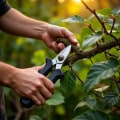
- Using the Wrong Tools: Many gardeners underestimate the importance of using proper tools.
Using dull knives or scissors can damage plants and lead to disease. Invest in sharp, clean tools to ensure a clean cut, which promotes better healing for the plant.
- Ignoring Weather Conditions: Harvesting during wet conditions can lead to spoilage and disease. Aim to harvest on dry days, ideally in the morning after the dew has dried, to ensure your vegetables are at their best.
- Neglecting to Inspect: Before harvesting, take a moment to inspect your vegetables for pests or diseases. Picking damaged produce not only affects your yield but can also spread issues to healthy plants.
- Overharvesting: While it may be tempting to pick everything at once, overharvesting can stress plants and reduce future yields.
Follow a staggered harvesting approach, especially with leafy greens and herbs, to encourage continued growth.
How Weather Conditions Affect Harvesting Decisions
Understanding how weather conditions affect your vegetable harvest is crucial for optimal garden care. Different climates and seasonal changes can significantly influence the timing and quality of your produce.Temperature:
The temperature at which vegetables grow can dictate when they are ready to be harvested. For instance, cool-season crops like lettuce and peas thrive in lower temperatures and should be harvested before the heat of summer sets in.
Conversely, warm-season crops such as tomatoes and peppers require warmer temperatures and should be harvested when they reach their peak ripeness, often indicated by a change in color.
Rainfall:
Excessive rainfall can lead to waterlogged soil, which may delay the harvesting of root vegetables like carrots and potatoes. On the other hand, a lack of rain can cause stress to plants, leading to smaller yields. It's essential to monitor soil moisture levels and adjust your harvesting schedule accordingly.
Humidity:
High humidity can promote fungal diseases, which may necessitate earlier harvesting of susceptible crops. For example, if you notice signs of blight on your tomatoes due to high humidity, it may be wise to harvest them sooner rather than later to prevent further loss.
Frost:
The first frost can be a critical factor in determining when to harvest.
Many vegetables, such as squash and pumpkins, can withstand light frosts but should be harvested before a hard freeze occurs. Monitoring local weather forecasts will help you make timely decisions.
Harvesting in Different Climates:
If you live in a region with extreme weather conditions, such as prolonged droughts or heavy rains, adapting your harvesting techniques is vital. In arid climates, consider harvesting early in the morning when temperatures are cooler, while in humid areas, aim for late afternoon when moisture levels drop.By paying close attention to these weather factors, you can enhance your garden care, ensuring that your vegetables are harvested at their best quality and flavor.
FAQs About Vegetable Harvesting and Garden Care
When it comes to vegetable harvesting, many gardeners have questions about the right timing and techniques. Here are some frequently asked questions that can help you navigate the process:- How do I know when my vegetables are ready to harvest? Each vegetable has its own ideal harvest time, often indicated by size, color, and firmness.
For example, tomatoes should be fully colored and slightly soft to the touch, while cucumbers are best picked when they are still firm and green.
- What is the best time of day to harvest vegetables? The best time to harvest is in the early morning or late afternoon when temperatures are cooler. This helps preserve the freshness and flavor of your vegetables.
- Should I wash my vegetables before storing them? It’s best to avoid washing vegetables before storage as moisture can lead to spoilage. Instead, wash them just before use.
- How can I tell if my leafy greens are ready to be picked? Leafy greens like lettuce and spinach can be harvested when they reach a height of 4-6 inches. You can either cut the outer leaves or harvest the entire plant depending on your needs.
- Regularly check your garden for signs of ripeness; this will help you catch vegetables at their peak flavor.
- Use a sharp knife or garden shears for harvesting to avoid damaging the plant.
- Keep a garden journal to track when you planted each vegetable and their expected harvest times.
Conclusion: Mastering the Art of Vegetable Harvesting
In conclusion, mastering the art of vegetable harvesting is essential for any gardener aiming to achieve a bountiful and healthy garden.Understanding the right time to harvest your vegetables not only enhances their flavor and nutritional value but also contributes to the overall success of your garden care efforts.Throughout this article, we have explored various indicators that signal when your vegetables are ready for picking. From observing color changes and size to checking for firmness and taste, these signs are crucial in determining the optimal harvest time. Remember, each vegetable has its own unique characteristics, so familiarizing yourself with these traits will greatly improve your gardening skills.Additionally, we discussed the importance of proper harvesting techniques. Using the right tools and methods can prevent damage to both the plants and the produce, ensuring that you enjoy a fresh and abundant yield.
Always handle your vegetables with care, as this will help maintain their quality and extend their shelf life.To summarize:
- Timing is key: Harvest at the right moment for peak flavor and nutrition.
- Know your vegetables: Each type has specific signs of readiness.
- Use proper techniques: Handle with care to avoid damage.
- Regular monitoring: Keep an eye on your garden to catch vegetables at their best.