When it comes to garden care, having the right tools can make all the difference between a thriving garden and a struggling one. Whether you are a seasoned gardener or just starting out, understanding the various types of gardening equipment available is essential for maintaining a healthy and beautiful outdoor space. From hand tools to larger machinery, each tool serves a specific purpose that can enhance your gardening experience. Essential gardening tools not only help in performing tasks more efficiently but also reduce the physical strain associated with gardening. For instance, using ergonomic tools can prevent injuries and make it easier to work for longer periods.
Additionally, the right equipment can lead to better results, whether you're planting seeds, pruning plants, or managing weeds. As we delve deeper into the world of garden care tools, you'll discover how each tool contributes to the overall health of your garden. In this exploration, we will cover a variety of tools that cater to different gardening needs. From basic hand tools like trowels and pruners to more advanced equipment such as tillers and irrigation systems, understanding their uses will empower you to make informed decisions. By equipping yourself with knowledge about these essential tools, you can elevate your gardening skills and enjoy the fruits of your labor more fully.
Hand Tools for Garden Care
When it comes to garden care, having the right hand tools can make all the difference in maintaining a healthy and thriving garden.Here are some essential hand tools that every gardener should consider:
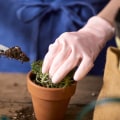
- Trowel: A trowel is a small hand tool with a pointed, scoop-shaped metal blade. It is perfect for digging, planting, and transferring soil. Whether you're planting bulbs or transplanting seedlings, a trowel is indispensable for precise work.
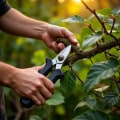
- Pruners: Also known as pruning shears, these tools are essential for trimming and shaping plants. They come in various sizes and types, including bypass and anvil pruners.
Using pruners helps promote healthy growth by removing dead or diseased branches.
- Weeder: A weeder is designed to remove weeds from your garden without disturbing the surrounding plants. Many weeders have a long handle and a forked end to easily extract weeds from their roots, preventing them from regrowing.
- Hand Rake: This tool is useful for loosening soil and removing debris from garden beds. A hand rake can help aerate the soil, making it easier for plants to absorb nutrients and water.
- Garden Fork: A garden fork is ideal for breaking up compacted soil and mixing in compost or fertilizer. Its sturdy tines can penetrate tough ground, making it easier to prepare your garden for planting.
By investing in high-quality tools, you can enhance your gardening experience and ensure that your plants receive the best possible care.
Power Tools for Efficient Gardening
When it comes to garden care, utilizing power tools can significantly enhance efficiency and reduce the physical strain associated with traditional gardening methods. Here are some essential power tools that every gardener should consider:- Lawn Mowers: A reliable lawn mower is crucial for maintaining a neat and healthy lawn. Electric mowers are particularly popular due to their ease of use and lower environmental impact compared to gas-powered models. They come in various styles, including push and self-propelled options, making it easier to tackle different yard sizes.
- Hedge Trimmers: Keeping hedges and shrubs well-groomed is vital for both aesthetics and plant health.
Electric hedge trimmers offer a lightweight alternative to manual shears, allowing for quicker and more precise cuts. Look for models with adjustable blades for versatility in shaping your plants.
- Tillers: For those looking to cultivate new garden beds or improve soil quality, a tiller is an invaluable tool. Electric tillers are user-friendly and can break up compacted soil, making it easier to mix in compost or other amendments.
- String Trimmers: Also known as weed eaters, string trimmers are perfect for edging along sidewalks and driveways or reaching areas that mowers can't access. Battery-operated models provide the freedom to move around without being tethered to a power source.
By reducing manual labor, you can focus more on enjoying your outdoor space rather than just maintaining it. Whether you're a seasoned gardener or just starting out, incorporating these power tools into your routine can lead to a more productive and enjoyable gardening experience.
Soil Care Tools: Preparing Your Garden Bed
When it comes to garden care, the foundation of a thriving garden begins with proper soil preparation. Utilizing the right soil care tools is essential for creating a healthy growing environment. Here are some key tools that every gardener should consider for effective garden bed preparation.- Shovel: A sturdy shovel is indispensable for digging, turning, and moving soil.
It helps in breaking up compacted earth and is ideal for creating new garden beds.
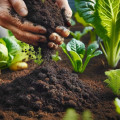
- Garden Fork: This tool is perfect for aerating the soil and mixing in organic matter like compost. The tines of the fork penetrate the soil, allowing air and nutrients to reach plant roots more effectively.
- Rake: A rake is essential for leveling the soil surface and removing debris. It helps in breaking up clumps of soil, ensuring a smooth and even bed for planting.
- Hoe: A hoe is useful for cultivating the soil and controlling weeds. Its sharp blade can slice through the top layer of soil, making it easier to prepare seedbeds.
- Trowel: For smaller areas or container gardens, a trowel is perfect for digging holes, transplanting seedlings, and mixing in amendments.
Understanding your soil's pH and nutrient levels can guide you in making necessary amendments to optimize plant growth.By using these essential soil cultivation tools, you can ensure that your garden beds are well-prepared, setting the stage for healthy plants and a bountiful harvest. Remember, the effort you put into preparing your soil will pay off in the long run with vibrant blooms and fruitful yields.
Watering Tools: Keeping Your Plants Hydrated
Effective garden care hinges on the proper hydration of your plants, making the choice of watering tools crucial. Whether you are tending to a small flower bed or a sprawling vegetable garden, the right equipment can make all the difference.Watering Cans
A watering can is a classic tool that offers precision and control. Ideal for small gardens or potted plants, it allows you to direct water exactly where it’s needed without oversaturating the soil.Look for models with a removable spout for versatility, enabling you to switch between a gentle shower and a focused stream.
Hoses
Garden hoses are essential for larger areas, providing a quick and efficient way to water your plants. When selecting a hose, consider the length and material; rubber hoses are durable but heavier, while vinyl hoses are lighter but may not last as long. Additionally, investing in a quality hose nozzle can enhance your watering experience by allowing you to adjust the flow and spray pattern.Irrigation Systems
For those looking to automate their garden care, irrigation systems are an excellent choice. Drip irrigation systems deliver water directly to the roots of plants, minimizing waste and ensuring deep soil penetration.This method is particularly beneficial for vegetable gardens and flower beds, as it reduces evaporation and runoff.
Soaker Hoses
Soaker hoses are another effective tool for garden care. These porous hoses allow water to seep out slowly along their length, providing consistent moisture to the soil. They are especially useful for rows of plants or in mulched areas where traditional watering methods might not reach effectively.Conclusion
No matter which tools you choose, understanding their specific uses will enhance your garden care routine. By selecting the right watering equipment—be it a simple watering can or an advanced irrigation system—you can ensure that your plants receive the hydration they need to thrive.Garden Maintenance Tools: Keeping Your Garden Healthy
Maintaining a vibrant and healthy garden requires the right garden maintenance tools.These tools not only help in keeping your garden tidy but also promote the overall health of your plants. Here are some essential tools that every gardener should consider:
- Leaf Blowers: These are invaluable for clearing fallen leaves and debris from your garden. A good leaf blower can save you time and effort, allowing you to focus on more important tasks like planting and pruning.
- Composters: Composting is a sustainable way to recycle organic waste and enrich your garden soil. A composter helps you create nutrient-rich compost that can improve soil structure and fertility.
- Pruning Shears: Keeping your plants well-trimmed is crucial for their health.
Pruning shears allow you to cut back overgrown branches, remove dead or diseased parts, and encourage new growth.
- Garden Rakes: Rakes are essential for leveling soil, gathering leaves, and preparing garden beds. A sturdy rake can make a significant difference in the upkeep of your garden.
- Hoses and Watering Cans: Proper watering is vital for plant health. Invest in a quality hose or watering can to ensure your plants receive adequate moisture, especially during dry spells.
Regular use of these tools will not only enhance the aesthetic appeal of your garden but also contribute to its long-term sustainability.
Safety Gear for Gardeners: Protecting Yourself While Gardening
Gardening can be a rewarding and therapeutic activity, but it also comes with its share of risks. To ensure a safe and enjoyable gardening experience, investing in the right safety gear is essential. Here are some key pieces of protective equipment that every gardener should consider:- Gloves: A good pair of gardening gloves protects your hands from cuts, blisters, and exposure to harmful chemicals. Look for gloves made from durable materials that offer both flexibility and grip.
- Knee Pads: Prolonged kneeling can lead to discomfort and injury.
Using knee pads provides cushioning and support, allowing you to work comfortably for longer periods.
- Goggles: When using tools that create debris or when applying fertilizers and pesticides, goggles are crucial for protecting your eyes from potential harm.
- Sun Protection: A wide-brimmed hat and sunscreen are vital for shielding your skin from harmful UV rays while you work outdoors.
- Sturdy Footwear: Wearing closed-toe shoes with good traction helps prevent slips and protects your feet from heavy tools or sharp objects.
- Stay Hydrated: Always drink plenty of water, especially on hot days, to avoid dehydration.
- Use Tools Properly: Familiarize yourself with the correct usage of gardening tools to minimize the risk of accidents.
- Take Breaks: Regular breaks can help prevent fatigue and reduce the likelihood of injuries.
FAQs About Garden Care Tools
When it comes to garden care, many gardeners have questions about the tools they use. Here are some frequently asked questions that can help clarify common concerns:What are the essential tools for garden care?
- Hand trowel: Ideal for digging small holes, transplanting seedlings, and removing weeds.
- Pruning shears: Essential for trimming plants and maintaining their shape.
- Garden fork: Useful for turning soil and aerating garden beds.
- Rake: Helps in leveling soil and gathering leaves or debris.
- Watering can or hose: Necessary for keeping plants hydrated.
How do I maintain my garden tools?
Proper maintenance of your garden care tools is crucial for their longevity and effectiveness. Here are some best practices:- Clean after use: Remove dirt and debris to prevent rust and damage.
- Sharpen blades: Keep cutting tools sharp for clean cuts, which promote plant health.
- Store properly: Hang tools or keep them in a dry place to avoid moisture buildup.
What should I consider when buying garden tools?
When selecting tools for garden care, consider the following factors:- Quality: Invest in durable materials that can withstand regular use.
- Ergonomics: Choose tools that feel comfortable in your hands to reduce strain during use.
- Size: Ensure the tool size is appropriate for your garden space and the tasks you plan to perform.
Conclusion: Choosing the Right Tools for Your Garden Care Needs
In conclusion, selecting the right tools for your garden care is essential for achieving a thriving and beautiful garden.The tools you choose can significantly impact the efficiency of your gardening tasks and the overall health of your plants. By investing in quality equipment tailored to your specific gardening needs, you can enhance your gardening experience and yield better results.When considering which tools to incorporate into your garden care routine, it’s important to evaluate the following:
- Type of Plants: Different plants have unique requirements. For instance, delicate flowers may need specialized pruning shears, while robust vegetables might require heavier-duty tools.
- Garden Size: The size of your garden will dictate the scale and type of tools you need. A small urban garden may only require basic hand tools, while a larger plot might benefit from power tools.
- Soil Type: Understanding your soil type can help you select appropriate tools for tilling, aerating, and maintaining soil health.
- Personal Comfort: Ergonomics should not be overlooked.
Choose tools that feel comfortable in your hands to prevent strain during prolonged use.