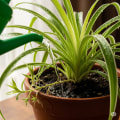
Extreme weather conditions can pose significant challenges for gardeners, impacting the health and vitality of their plants. These conditions include severe heat waves, heavy rainfall, frost, and strong winds, each of which can have detrimental effects on plant growth and development. Understanding the various types of extreme weather is essential for implementing effective garden care strategies that protect your plants from potential harm. For instance, during a heat wave, plants may suffer from dehydration and sunburn, leading to wilting or even death if not adequately cared for. Conversely, heavy rainfall can lead to waterlogged soil, which can suffocate roots and promote fungal diseases.
Frost can damage tender new growth, while strong winds can physically uproot plants or break branches. Each of these weather phenomena requires a tailored approach to ensure that your garden remains resilient. By recognizing the signs of extreme weather and understanding their impacts on your garden, you can take proactive measures to safeguard your plants. This knowledge not only enhances your gardening skills but also fosters a deeper connection with the natural environment, allowing you to cultivate a thriving garden despite the challenges posed by unpredictable weather patterns.
Preparing Your Garden for Extreme Heat
As temperatures soar during the summer months, protecting your plants from extreme heat becomes essential for maintaining a healthy garden. Here are some effective strategies to ensure your plants thrive even in the hottest conditions.Watering Techniques
Proper watering is crucial during heatwaves.Here are some tips:
- Water early or late: Aim to water your plants in the early morning or late evening when temperatures are cooler. This reduces evaporation and allows the water to penetrate the soil more effectively.
- Deep watering: Instead of frequent shallow watering, opt for deep watering sessions. This encourages roots to grow deeper into the soil, making them more resilient to heat.
- Use mulch: Applying a layer of organic mulch around your plants helps retain moisture in the soil and keeps the roots cool. Materials like straw, wood chips, or grass clippings work well.
Creating Shade Solutions
Providing shade for your plants can significantly reduce heat stress.Consider these options:
- Shade cloth: Install shade cloth over vulnerable plants to filter sunlight and lower temperatures. Choose a cloth that blocks 30-50% of sunlight for optimal protection.
- Natural shade: If possible, position taller plants or structures to provide natural shade for smaller, more delicate plants during peak sun hours.
- Potted plants: For container gardens, move pots to shaded areas during extreme heat. This can help prevent soil from drying out too quickly.
Shielding Your Plants from Frost and Freezing Temperatures
Protecting your plants from frost and freezing temperatures is crucial for maintaining a healthy garden. Here are some effective frost protection methods to consider:- Use Covers: Lightweight fabric row covers or frost blankets can provide an excellent barrier against cold air.
These covers trap heat and protect plants from frost damage. Ensure that the covers are secured to the ground to prevent them from blowing away.
- Mulching: Applying a thick layer of mulch around the base of your plants can help insulate the soil and maintain a more stable temperature. Organic materials like straw, wood chips, or shredded leaves are great options for winter gardening.
- Watering Before Frost: Watering your plants before a frost can help them withstand colder temperatures. Moist soil retains heat better than dry soil, providing a buffer against freezing conditions.
- Choosing Frost-Resistant Varieties: When planning your garden, consider selecting plants that are known for their ability to withstand cold temperatures.
Varieties such as kale, pansies, and certain herbs can thrive even in frosty conditions.
Protecting Your Garden from Heavy Rain and Flooding
Heavy rain and flooding can pose significant challenges to your garden, but with the right garden care strategies, you can protect your plants and ensure their health. Here are some effective methods to safeguard your garden against these extreme weather conditions.Implementing Effective Drainage Solutions
One of the most critical steps in protecting your garden from flooding is to establish a robust drainage system.Here are some solutions to consider:
- French Drains: These trenches filled with gravel or rock can redirect excess water away from your garden beds.
- Swales: Shallow, vegetated channels can help manage runoff and direct water to areas where it can be absorbed.
- Rain Gardens: These specially designed gardens can capture and filter rainwater, reducing flooding while providing a habitat for beneficial wildlife.
Selecting Flood-Resistant Plants
Choosing the right plants is essential for heavy rain plant care. Opt for species that are more tolerant of wet conditions. Some excellent options include:- Cattails: These hardy plants thrive in wet soil and can help absorb excess water.
- Marsh Marigold: This perennial loves moist environments and adds vibrant color to your garden.
- Joe Pye Weed: Known for its tall stature, this plant can handle wet conditions while attracting pollinators.
Furthermore, mulching around your plants can help absorb excess moisture and protect the soil structure.By implementing these strategies, you can effectively protect your garden from heavy rain and flooding, ensuring that your plants remain healthy and vibrant throughout the growing season.
Wind Protection Techniques for Your Plants
Protecting your plants from strong winds is essential for maintaining a healthy garden. High winds can cause physical damage to plants, uproot them, and even lead to dehydration. Here are some effective wind protection techniques to consider:- Utilize Windbreaks: One of the most effective methods for shielding your plants is to create a windbreak. This can be achieved by planting a row of trees or shrubs that act as a barrier against the wind.
Choose species that are native to your area, as they will be better adapted to local conditions.
- Strategic Planting: When planning your garden layout, consider the placement of taller plants. Position them on the windward side of your garden to act as a natural shield for shorter, more delicate plants. This layering technique can significantly reduce wind exposure.
- Use Fencing or Trellises: Installing a fence or trellis can provide additional support and protection for your plants. Ensure that these structures are sturdy enough to withstand strong winds and are positioned strategically to block prevailing wind directions.
- Mulching: Applying a layer of mulch around your plants not only helps retain moisture but also stabilizes the soil, reducing the risk of uprooting during windy conditions.
Organic mulches like wood chips or straw can be particularly effective.
- Staking Plants: For taller plants or those with weak stems, consider using stakes for added support. This technique helps prevent bending or breaking during gusty weather.
Utilizing Technology for Weather Protection in Gardening
In the ever-evolving world of garden care, technology plays a pivotal role in safeguarding plants from extreme weather conditions. By leveraging modern tools and systems, gardeners can enhance their ability to monitor and protect their green spaces.Smart Gardening Tools
One of the most significant advancements in gardening technology is the development of smart gardening tools.These devices can automate various tasks, making it easier to respond to changing weather conditions. For instance, smart irrigation systems can adjust watering schedules based on real-time weather data, ensuring that plants receive the right amount of moisture without overwatering during heavy rains.
Weather Monitoring Systems
Investing in a weather monitoring system can provide invaluable insights into local climate conditions. These systems typically include sensors that track temperature, humidity, rainfall, and wind speed. By analyzing this data, gardeners can make informed decisions about when to cover plants or provide additional support during storms or heatwaves.Mobile Apps for Garden Management
Many mobile applications are designed specifically for garden care, offering features such as weather alerts and plant care reminders.These apps can notify you of impending severe weather, allowing you to take proactive measures to protect your plants. Some even integrate with smart devices to automate responses, such as closing greenhouse vents or activating frost protection.
Drones for Large Gardens
For those managing larger gardens or farms, drones have emerged as a revolutionary tool. They can be used to survey large areas quickly, identifying stressed plants or areas that may require immediate attention due to extreme weather. Drones equipped with thermal imaging can also help detect temperature variations that could affect plant health.By embracing these innovative technologies, gardeners can significantly enhance their weather protection strategies.Whether through smart tools that automate care or monitoring systems that provide critical data, technology offers a robust solution for maintaining healthy plants in the face of unpredictable weather.
Frequently Asked Questions about Garden Care in Extreme Weather
When it comes to garden care during extreme weather, many gardeners have questions about how to best protect their plants. Here are some frequently asked questions that can help you navigate these challenges:- What should I do to protect my plants from frost?
To safeguard your plants from frost, consider covering them with frost cloths or blankets during cold nights. You can also use mulch to insulate the soil and keep roots warm. - How can I prevent my plants from drying out in extreme heat?
In high temperatures, it's crucial to water your plants deeply and regularly. Early morning is the best time for watering, as it reduces evaporation.Adding a layer of mulch can also help retain moisture in the soil.
- What steps can I take to shield my garden from strong winds?
To protect your garden from wind damage, consider planting windbreaks such as shrubs or trees. Additionally, staking taller plants can provide extra support against gusty conditions. - How do I care for my garden during heavy rainfall?
Ensure proper drainage in your garden beds to prevent waterlogging. If possible, create raised beds to keep roots above excess water. After heavy rains, check for any signs of rot or disease and remove affected plants promptly. - Are there specific plants that are more resilient to extreme weather?
Yes, certain plants are known for their resilience.For example, succulents and native plants often withstand drought conditions better, while perennials like daylilies can endure both heat and cold.
Conclusion: Key Takeaways for Effective Garden Care
In conclusion, protecting your plants from extreme weather conditions is essential for maintaining a thriving garden. By implementing proactive measures, you can significantly enhance the resilience of your plants and ensure their longevity. Here are the key takeaways for effective garden care:- Know Your Plants: Understanding the specific needs and tolerances of your plants is crucial. Different species have varying levels of resistance to heat, cold, wind, and moisture.
- Utilize Mulching: Applying a layer of mulch can help regulate soil temperature, retain moisture, and protect roots from extreme temperatures.
- Provide Shelter: Use windbreaks or shade cloths to shield your plants from harsh winds and intense sunlight. This can be particularly beneficial during unexpected weather events.
- Water Wisely: During periods of extreme heat or drought, ensure your plants receive adequate water.
Early morning watering is often the most effective method to minimize evaporation.
- Seasonal Preparation: Prepare your garden for seasonal changes by using protective covers during frost or extreme heat. This can include row covers, cloches, or even simple tarps.
- Monitor Weather Conditions: Stay informed about local weather forecasts and be ready to take action when severe weather is predicted. Timely interventions can make a significant difference.