Weeds are often seen as the unwelcome guests in our gardens, but understanding what they are and how they affect your plants is essential for effective garden care. Weeds are defined as any plant that grows where it is not wanted, and they can be categorized into several types, including annuals, perennials, and biennials. Each type has its own growth patterns and reproductive strategies, making them particularly resilient and challenging to manage. For instance, annual weeds complete their life cycle in one growing season, while perennial weeds can return year after year if not properly controlled. The impact of weeds on your garden can be profound.
They compete with your desired plants for vital resources such as sunlight, water, and nutrients. This competition can lead to stunted growth or even the death of your cherished flowers and vegetables. Additionally, some weeds can harbor pests and diseases that may spread to your healthy plants, further jeopardizing the overall health of your garden. Understanding these dynamics is crucial for anyone looking to maintain a thriving garden. Effective garden care involves not only nurturing your plants but also implementing strategies to manage weeds proactively.
By recognizing the types of weeds present in your garden and their potential impacts, you can take informed steps to remove them without harming your other plants. This foundational knowledge sets the stage for exploring various weed removal techniques that prioritize the health of your garden ecosystem.
Identifying Weeds: Types and Characteristics
Understanding the different types of weeds that can invade your garden is crucial for effective garden care. Weeds can be broadly categorized into three main types: annuals, perennials, and biennials.- Annual Weeds: These weeds complete their life cycle in one growing season. Common examples include crabgrass and pigweed.
They germinate, grow, flower, and die within a year, making them particularly aggressive in spring and summer.
- Perennial Weeds: These weeds live for multiple years and can be more challenging to control. Examples include dandelions and bindweed. They often spread through extensive root systems, making it essential to remove the entire root to prevent regrowth.
- Biennial Weeds: These weeds have a two-year life cycle. They typically grow leaves in the first year and flower in the second.
Common biennials include foxglove and burdock.
- Leaf Shape: Weeds often have distinct leaf shapes that can help in identification. For instance, dandelion leaves are jagged, while clover leaves are rounded.
- Growth Habit: Observe how the weed grows. Some may spread low to the ground (like creeping Charlie), while others may grow tall (like thistles).
- Flowering Patterns: Many weeds produce flowers that can aid in identification.
For example, the bright yellow flowers of a dandelion are a telltale sign of its presence.
Weed Removal Methods: An Overview
When it comes to garden care, understanding the various weed removal methods is essential for maintaining a healthy and thriving garden. Each method has its own set of advantages and disadvantages, making it crucial to choose the right one based on your specific needs.Manual Removal
One of the most straightforward approaches is manual removal, which involves pulling weeds out by hand or using tools like hoes and trowels. This method is particularly effective for small infestations and allows you to target weeds without harming surrounding plants.- Pros: Environmentally friendly, no chemicals involved, immediate results.
- Cons: Labor-intensive, may not be practical for large areas.
Chemical Herbicides
Chemical herbicides are another option for weed removal. These products can effectively kill weeds but come with risks, especially if not applied correctly.It's vital to choose selective herbicides that target specific weeds while sparing desirable plants.
- Pros: Fast-acting, effective for large infestations.
- Cons: Potential harm to beneficial plants and soil health, environmental concerns.
Organic Options
If you prefer a more natural approach, organic weed control methods are available. Options include using vinegar, boiling water, or salt to kill weeds. These methods are less harmful to the environment but may require repeated applications for effectiveness.- Pros: Safe for the environment, non-toxic to pets and children.
- Cons: May take longer to see results, less effective on deep-rooted weeds.
Manual Weed Removal Techniques
When it comes to garden care, manual weed removal is one of the most effective and environmentally friendly methods.This technique allows you to target unwanted plants without harming your cherished flowers and vegetables. Here are some essential hand weeding techniques and tools that can help you achieve a weed-free garden.
Essential Tools for Weeding
- Hand Hoe: A hand hoe is perfect for loosening soil around weeds, making it easier to pull them out by the roots.
- Trowel: This small, handheld tool is excellent for digging out weeds, especially those with deep roots.
- Weeding Fork: A weeding fork can help you get under the weed's root system, ensuring complete removal.
- Gloves: Wearing gloves not only protects your hands but also gives you a better grip on the weeds.
- Identify Weeds: Before you start pulling, make sure you can distinguish between weeds and desirable plants. This will prevent accidental damage.
- Moisten the Soil: Watering the area before weeding can soften the soil, making it easier to remove weeds along with their roots.
- Pull by Hand: For smaller weeds, grasp them at the base and pull gently but firmly. Ensure you remove the entire root to prevent regrowth.
- Use Tools Wisely: For larger or stubborn weeds, use your hand hoe or trowel to dig around the base before pulling them out.
This minimizes disturbance to nearby plants.
Organic Weed Control Solutions
When it comes to organic weed control, many gardeners are turning to natural solutions that are both effective and safe for the environment. Two popular options are vinegar and salt, which can be used individually or in combination to tackle stubborn weeds without harming surrounding plants.Vinegar as a Natural Weed Killer
Vinegar, particularly the type with a higher acetic acid concentration (around 20%), can be an effective natural weed killer. When applied directly to the leaves of weeds on a sunny day, the acetic acid draws moisture out of the plant, causing it to wilt and die.However, it’s important to apply vinegar carefully, as it can also affect nearby plants if they come into contact with it.
Using Salt for Weed Control
Salt is another common household item that can be used for eco-friendly weed removal. A mixture of salt and water can be sprayed directly onto weeds. The salt dehydrates the plants, leading to their demise. However, caution is advised when using salt, as it can alter soil composition and affect future plant growth if used excessively.Combining Vinegar and Salt
A potent mixture of vinegar and salt can enhance the effectiveness of your organic weed control efforts.Combine one cup of salt with one gallon of vinegar and a few drops of dish soap (to help the solution adhere to the leaves). This combination not only kills weeds but also minimizes the risk of harming other plants when applied carefully.
Additional Organic Methods
- Boiling Water: Pouring boiling water directly onto weeds can effectively kill them without affecting nearby plants.
- Mulching: Applying organic mulch around your plants can suppress weed growth while enriching the soil.
- Hand Pulling: For small infestations, hand pulling is a labor-intensive but effective method that ensures no chemicals are introduced into your garden.
Chemical Weed Killers: Safe Usage Guidelines
When it comes to garden care, the use of chemical weed killers can be an effective solution for managing unwanted plants. However, it is crucial to apply these products safely to protect your desirable plants and the overall health of your garden.Understanding Selective vs.
Non-Selective HerbicidesBefore applying any herbicide, it's important to understand the difference between selective and non-selective herbicides. Selective herbicides target specific types of weeds while leaving other plants unharmed. This makes them ideal for use in gardens where you want to preserve certain flowers or vegetables. On the other hand, non-selective herbicides kill all plants they come into contact with, making them less suitable for garden care unless you are clearing an area completely.
Safe Usage Guidelines
- Read Labels Carefully: Always follow the manufacturer's instructions on the label.
This includes recommended application rates, timing, and safety precautions.
- Avoid Windy Days: Apply herbicides on calm days to prevent drift onto desirable plants. Wind can carry the chemicals away from the target area, causing unintended damage.
- Use Protective Gear: Wear gloves, masks, and goggles to protect yourself from exposure during application.
- Target Weeds Directly: Use a spray shield or a paintbrush to apply herbicides directly onto the weeds, minimizing contact with surrounding plants.
- Timing is Key: Apply herbicides when weeds are actively growing for maximum effectiveness. Early morning or late afternoon is often the best time.
Preventative Measures: Keeping Weeds at Bay
To effectively manage weeds and promote a thriving garden, implementing preventative measures is essential.By focusing on proactive strategies, you can significantly reduce the likelihood of weed growth while ensuring the health of your plants.1.Optimal Plant Spacing One of the simplest yet most effective ways to prevent weeds is by ensuring proper plant spacing. When plants are spaced adequately, they create a dense canopy that shades the soil, making it difficult for weeds to establish themselves. Aim for a layout that allows each plant to thrive without overcrowding, which not only minimizes weed growth but also promotes better air circulation and reduces disease risk.2.Soil Health Maintaining healthy soil is crucial for a successful garden. Regularly amend your soil with organic matter such as compost or well-rotted manure.
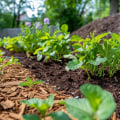
This practice not only enriches the soil but also enhances its structure, making it less hospitable for weed seeds. Additionally, consider conducting a soil test to determine nutrient levels and pH balance, allowing you to tailor your amendments accordingly.3.Mulching Applying a layer of mulch around your plants can be an effective barrier against weeds. Organic mulches like wood chips, straw, or grass clippings not only suppress weed growth but also retain moisture and improve soil quality as they decompose. Aim for a mulch layer of 2-4 inches thick, ensuring it does not touch the stems of your plants to prevent rot.4.Regular Maintenance Consistent garden maintenance is key to keeping weeds at bay.
Regularly inspect your garden for any signs of weed growth and remove them promptly before they have a chance to spread. Incorporating practices such as hand-pulling or using a hoe can be effective in small areas. Additionally, consider implementing a routine schedule for watering and fertilizing to keep your plants healthy and competitive against weeds. By adopting these garden maintenance tips, you can create an environment that discourages weed growth while fostering the health and vitality of your plants. A proactive approach not only saves time in the long run but also enhances the overall beauty and productivity of your garden.
FAQs About Weed Removal and Garden Care
When it comes to weed removal and garden care, many gardeners have questions about the best practices to ensure their plants thrive while keeping weeds at bay.Here are some frequently asked questions that can help clarify common concerns:
What is the most effective way to remove weeds without harming other plants?
One of the safest methods is to use hand-pulling. This allows you to target specific weeds without disturbing the surrounding plants. Make sure to pull weeds when the soil is moist, as this makes it easier to remove the entire root system.Are there any natural weed killers that are safe for my garden?
Yes, several natural options can effectively kill weeds without harming your garden.Vinegar
, for instance, is a popular choice due to its acetic acid content, which can desiccate weeds.However, be cautious and apply it directly on the weeds to avoid affecting nearby plants.
How can I prevent weeds from growing in the first place?
- Mulching: Applying a thick layer of mulch around your plants can suppress weed growth by blocking sunlight.
- Proper spacing: Ensure your plants are spaced adequately to promote air circulation, which can help reduce weed establishment.
- Regular maintenance: Regularly check your garden for emerging weeds and remove them promptly before they have a chance to spread.
What should I do if I accidentally damage my plants while removing weeds?
If you accidentally damage your plants, assess the extent of the damage. Trim any broken stems or leaves and provide extra care, such as watering and fertilizing, to help them recover. In many cases, plants can bounce back with proper attention.By addressing these common questions about weed removal and garden care, you can enhance your gardening experience and maintain a healthy, vibrant garden.Conclusion: Best Practices for Effective Weed Management in Your Garden
In conclusion, effective weed management is crucial for maintaining a healthy and thriving garden. By implementing the right strategies, you can minimize the impact of weeds while protecting your valuable plants.Here are some best practices to consider:
- Regular Monitoring: Keep a close eye on your garden. Regularly inspect for any signs of weed growth, especially during the growing season. Early detection allows for easier removal and less competition for nutrients.
- Mulching: Applying a layer of organic mulch not only suppresses weed growth but also retains soil moisture and adds nutrients as it decomposes. Choose materials like wood chips, straw, or grass clippings that complement your garden's ecosystem.
- Hand Weeding: For small infestations, hand weeding is an effective method.
Ensure you remove the entire root to prevent regrowth. This method is particularly beneficial around delicate plants where chemical solutions may pose a risk.
- Natural Herbicides: If you prefer not to use synthetic chemicals, consider natural herbicides made from vinegar or salt. These can be effective against weeds but should be applied carefully to avoid harming surrounding plants.
- Companion Planting: Some plants naturally deter weeds or compete effectively for resources. Incorporating these companion plants can help reduce weed pressure while enhancing biodiversity in your garden.
Remember, a proactive strategy combined with consistent maintenance will lead to long-term success in your gardening endeavors.