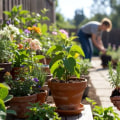
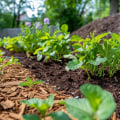
Weeds are more than just an unsightly nuisance in your garden; they are a significant threat to the overall health and vitality of your plants.
Understanding what weeds are
is the first step in effective garden care. Weeds are typically defined as any plant that grows where it is not wanted, competing with your desired plants for essential resources such as water, nutrients, and sunlight. They can be annuals, perennials, or biennials, each with unique growth patterns and reproductive strategies that can make them particularly challenging to manage. The impact of weeds on your garden can be profound.Not only do they compete with your flowers and vegetables, but they can also harbor pests and diseases that may spread to your healthy plants. This competition can lead to stunted growth, reduced yields, and even the death of your cherished garden specimens. Furthermore, certain weeds can alter the soil composition and pH levels, making it less hospitable for your desired plants. To maintain a thriving garden, it is crucial to incorporate effective weed prevention strategies into your garden care routine. By understanding the types of weeds that may invade your space and their potential impacts, you can take proactive measures to keep them at bay.
This foundational knowledge will empower you to create a healthier environment for your plants, ensuring they receive the care they need to flourish.
The Importance of Soil Health in Weed Prevention
Maintaining healthy soil is crucial for effective garden care and plays a significant role in preventing weed growth. Weeds thrive in poor soil conditions, where they can easily outcompete desirable plants for nutrients, water, and light. Therefore, focusing on soil health is an essential strategy for any gardener.Soil composition
is one of the primary factors influencing weed growth. Healthy soil typically contains a balanced mix of sand, silt, and clay, which promotes good drainage and aeration.To improve your soil composition, consider adding organic matter such as compost or well-rotted manure. This not only enhances soil structure but also provides essential nutrients that support plant growth.
Nutrients
are another critical aspect of soil health. Weeds often flourish in nutrient-deficient soils, where they can quickly establish themselves. Regularly testing your soil can help you understand its nutrient profile and identify any deficiencies.Based on the results, you can amend your soil with fertilizers or organic amendments to create a more balanced nutrient environment that favors your garden plants over weeds.The pH balance of your soil also significantly impacts weed growth. Most garden plants prefer a slightly acidic to neutral pH (around 6.0 to 7.0). If your soil is too acidic or too alkaline, it can hinder the growth of desirable plants while allowing weeds to thrive. Conducting a pH test and adjusting it with lime (to raise pH) or sulfur (to lower pH) can help create optimal conditions for your garden.In summary, prioritizing soil management through improving composition, ensuring adequate nutrients, and maintaining proper pH levels will not only enhance the health of your garden but also significantly reduce the likelihood of weed infestations.
By investing time in your soil's health, you set the foundation for a thriving garden that naturally suppresses weeds.
Mulching: A Natural Barrier Against Weeds
Mulching is an essential practice in garden care that not only enhances the aesthetic appeal of your garden but also serves as a powerful tool in preventing weed growth. By creating a barrier between the soil and the sun, mulch effectively inhibits weed seed germination and growth.Benefits of Mulching
- Weed Suppression: A thick layer of mulch blocks sunlight, making it difficult for weeds to thrive.
- Moisture Retention: Mulch helps retain soil moisture, reducing the need for frequent watering.
- Soil Temperature Regulation: It keeps the soil cooler in summer and warmer in winter, promoting healthy plant growth.
- Nutrient Enrichment: Organic mulches decompose over time, adding valuable nutrients back into the soil.
Types of Mulch
There are various types of mulch available, each with its unique benefits:- Organic Mulch: Includes materials like wood chips, straw, grass clippings, and leaves. These not only suppress weeds but also improve soil health as they break down.
- Inorganic Mulch: Composed of materials such as plastic sheeting or gravel. While they do not enrich the soil, they are effective at weed control and moisture retention.
- Rubber Mulch: Made from recycled tires, this type is durable and effective for long-term weed prevention but does not provide any nutrients to the soil.
How to Apply Mulch Effectively
To maximize the benefits of mulching in your garden, follow these steps:- Prepare the Soil: Remove any existing weeds and debris from the area where you plan to apply mulch.
- Select Your Mulch: Choose a type of mulch that suits your garden's needs and aesthetic preferences.
- Apply a Layer: Spread a layer of mulch 2-4 inches thick around your plants, ensuring it does not touch the stems to prevent rot.
- Maintain Regularly: Check your mulch layer periodically and replenish it as needed to maintain its effectiveness.
Choosing the Right Plants to Compete with Weeds
One of the most effective strategies for garden care is to choose the right plants that can naturally outcompete weeds.By selecting plants that thrive in your local environment, you can create a robust ecosystem that minimizes the chances of weed growth.
Companion Planting
Companion planting involves growing different plants in proximity for mutual benefits. Certain plants can deter weeds by shading the soil, thus limiting sunlight and reducing the opportunity for weed seeds to germinate. For example, planting marigolds alongside vegetables not only repels pests but also provides ground cover that suppresses weed growth.Plant Selection
When selecting plants, consider their growth habits and root structures. Deep-rooted plants like sunflowers or zinnias can help break up compacted soil while competing for nutrients and water, making it harder for weeds to establish themselves.Additionally, choose native plants that are well-adapted to your local climate; they often require less maintenance and are more resilient against weeds.
Ground Cover Plants
Ground cover plants are an excellent choice for preventing weeds. These low-growing plants spread quickly and form a dense mat over the soil, effectively blocking sunlight from reaching weed seeds. Options like creeping thyme, clover, or sedum not only suppress weeds but also enhance the aesthetic appeal of your garden.Incorporating a mix of these strategies into your garden care routine will not only help you manage weeds but also promote a healthier garden ecosystem. By fostering a diverse plant community, you create a natural balance that supports growth while minimizing the need for chemical interventions.Effective Watering Techniques to Deter Weeds
One of the most effective ways to manage weed growth in your garden is by implementing proper watering techniques.The way you water your plants can significantly influence the health of your garden and the proliferation of unwanted weeds.
Drip Irrigation vs. Overhead Watering
When considering irrigation methods, drip irrigation stands out as a superior choice for minimizing weed growth. This method delivers water directly to the base of your plants, ensuring that moisture is concentrated where it is needed most. By keeping the surrounding soil drier, you reduce the chances of weed seeds germinating.In contrast, overhead watering, while effective for covering large areas, often leads to excess moisture on the soil surface.
This can create an ideal environment for weeds to thrive. Additionally, overhead watering can lead to water runoff and evaporation, wasting precious resources.
- Benefits of Drip Irrigation:
- Targets root zones directly, promoting healthy plant growth.
- Reduces water waste and evaporation.
- Minimizes weed seed germination by keeping surrounding soil dry.
- Drawbacks of Overhead Watering:
- Encourages weed growth due to moist soil conditions.
- Can lead to fungal diseases from excess moisture on leaves.
- Less efficient in terms of water usage.
Regular Maintenance: The Key to a Weed-Free Garden
Maintaining a healthy garden is essential for preventing weeds from taking over your space.Regular maintenance not only keeps your plants thriving but also minimizes the chances of weed growth. Here are some effective garden maintenance tips to help you stay on top of your weeding game:
- Establish a Weeding Schedule: Consistency is key when it comes to weeding. Aim to check your garden at least once a week. This allows you to catch weeds early before they have a chance to spread.
- Mulching: Applying a layer of mulch around your plants can significantly reduce weed growth.
Mulch blocks sunlight, making it difficult for weeds to germinate while also retaining moisture for your plants.
- Proper Watering Techniques: Watering your garden deeply but less frequently encourages deep root growth in your plants, making them more competitive against weeds. Avoid overhead watering, which can promote weed seed germination.
- Crop Rotation: Changing the location of your plants each season can disrupt the life cycle of weeds and pests, making it harder for them to establish themselves in your garden.
- Inspecting for weeds weekly
- Applying mulch every few months
- Watering according to the season and plant needs
- Fertilizing and amending soil as necessary
Natural Herbicides: Eco-Friendly Options for Weed Control
When it comes to garden care, utilizing natural herbicides can be an effective and eco-friendly way to manage weeds without resorting to harsh chemicals.These organic solutions not only help in controlling unwanted plants but also promote a healthier garden ecosystem.Here are some popular homemade weed killers that you can easily prepare:
- Vinegar: A common household item, vinegar contains acetic acid, which can effectively kill weeds. For best results, use a solution with at least 10% acetic acid and apply it directly to the leaves of the weeds on a sunny day.
- Salt: Salt can dehydrate and kill weeds, especially when mixed with water. A simple mixture of one part salt to three parts water can be sprayed on the weeds. However, be cautious as salt can also affect the surrounding soil and plants.
- Baking Soda: This common kitchen ingredient is particularly effective against weeds growing in cracks and crevices.
Sprinkle baking soda directly onto the leaves of the weeds, and it will draw moisture out, leading to their demise.
- Boiling Water: Pouring boiling water over weeds is a straightforward method that works well for small patches. The heat will kill the plants instantly, making it a quick solution for stubborn weeds.
Remember to always test any homemade solution on a small area first to ensure it does not harm your desired plants.
Common Mistakes to Avoid in Weed Prevention
When it comes to weed prevention, many gardeners unknowingly make mistakes that can lead to an increase in unwanted plants. Understanding these common errors is crucial for effective garden care. Here are some pitfalls to avoid:- Neglecting Soil Health: Healthy soil is the foundation of a thriving garden. Failing to amend your soil with organic matter can lead to poor plant growth, allowing weeds to thrive.
Regularly test your soil and add compost or mulch to improve its quality.
- Inconsistent Watering: Overwatering or underwatering can stress your plants, making them less competitive against weeds. Establish a consistent watering schedule that meets the needs of your plants without creating overly moist conditions that favor weed growth.
- Ignoring Mulching: Many gardeners underestimate the power of mulch. Not applying a thick layer of mulch can leave soil exposed, providing an ideal environment for weeds to germinate. Use organic mulches like wood chips or straw to suppress weed growth effectively.
- Planting Too Close Together: While it may seem efficient, overcrowding plants can lead to poor air circulation and increased humidity, which encourages weed growth.
Follow recommended spacing guidelines for each plant type to ensure they have enough room to thrive.
- Delayed Weeding: Allowing weeds to establish themselves before attempting removal can make the task much harder. Regularly inspect your garden and remove weeds as soon as they appear, ideally before they set seed.
FAQs About Weed Prevention in Gardens
When it comes to weed prevention in gardens, many gardeners have questions about the best practices and strategies. Here are some frequently asked questions that can help you maintain a healthy garden while keeping those pesky weeds at bay.What are the most effective methods for preventing weeds?
There are several effective methods for preventing weeds in your garden:- Mulching: Applying a thick layer of mulch around your plants can block sunlight and suppress weed growth.
- Soil Health: Maintaining healthy soil through composting and proper fertilization can promote strong plant growth, which naturally outcompetes weeds.
- Regular Maintenance: Regularly pulling weeds by hand or using a hoe can prevent them from seeding and spreading.
- Cover Crops: Planting cover crops during the off-season can help prevent weed establishment and improve soil quality.
How often should I check for weeds in my garden?
You should check your garden for weeds at least once a week, especially during the growing season.Early detection is key to preventing weeds from taking over. If you notice any weeds, remove them immediately to minimize their impact.
Are there any organic methods for weed control?
Yes, there are several organic methods for controlling weeds:- Boiling Water: Pouring boiling water on weeds can effectively kill them without harming the surrounding plants.
- Vinegar: A solution of vinegar can be sprayed directly on weeds to desiccate them.
- Salt: Salt can be used as a natural herbicide, but be cautious as it can also affect soil health if used excessively.
Conclusion: Summarizing Effective Weed Prevention Strategies
In conclusion, effective weed prevention is a crucial aspect of garden care that can significantly enhance the health and productivity of your garden. By implementing a combination of strategies, you can create an environment that discourages weed growth while promoting the flourishing of your desired plants. To recap, here are some of the most effective methods for preventing weeds:- Mulching: Applying a thick layer of organic or inorganic mulch not only suppresses weed growth but also helps retain soil moisture and improve soil quality.
- Regular Maintenance: Consistent garden maintenance, including regular weeding and monitoring for new growth, is essential. Early intervention can prevent weeds from establishing themselves.
- Soil Health: Maintaining healthy soil through proper fertilization and pH balance can give your plants a competitive edge over weeds.
- Plant Selection: Choosing native or drought-resistant plants can reduce the need for additional watering and care, making it harder for weeds to thrive.
- Cover Crops: Utilizing cover crops during the off-season can prevent weeds from taking root and improve soil structure.
Remember, proactive management is key; the sooner you address potential weed issues, the easier it will be to maintain a beautiful and healthy garden.