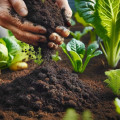
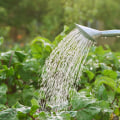
Soil erosion is a natural process that can have devastating effects on the health of your garden. It occurs when the top layer of soil, which is rich in nutrients and essential for plant growth, is worn away by wind, water, or human activity. Understanding the causes of soil erosion is crucial for effective garden care, as it directly impacts the vitality of your plants and the overall ecosystem of your garden. The impact of soil erosion extends beyond just the loss of soil; it can lead to decreased fertility, increased runoff, and even the destruction of plant roots. When soil is eroded, not only are vital nutrients washed away, but the structure of the soil itself can be compromised, making it harder for plants to establish strong root systems.
This degradation can result in stunted growth, poor yields, and a garden that struggles to thrive. Moreover, maintaining healthy soil is essential for sustainable gardening practices. Healthy soil acts as a sponge, retaining moisture and nutrients while supporting beneficial microorganisms that contribute to plant health. By preventing soil erosion, you not only protect your garden's immediate health but also contribute to long-term sustainability and resilience against environmental changes. In the following sections, we will explore effective strategies to combat soil erosion and enhance your garden's health.
Identifying the Causes of Soil Erosion in Your Garden
Understanding the causes of soil erosion in your garden is crucial for effective garden care.Several factors contribute to this issue, and recognizing them can help you implement appropriate prevention strategies.
Water Runoff
One of the primary causes of soil erosion is water runoff. When it rains, excess water can flow over the surface of your garden, carrying away topsoil and nutrients. This is especially problematic on slopes or areas with compacted soil where water cannot easily infiltrate. To mitigate this, consider creating terraces or using raised beds to slow down water flow and promote absorption.Wind Erosion
Wind erosion can also play a significant role in soil loss, particularly in open areas with little vegetation.Strong winds can lift and transport loose soil particles, leading to a decrease in soil quality. Planting windbreaks, such as shrubs or trees, can help reduce wind speed and protect your garden from erosion.
Human Activities
Human activities, such as improper landscaping or over-tilling, can exacerbate soil erosion. Disturbing the soil structure can make it more susceptible to erosion by both water and wind. To minimize this risk, practice sustainable gardening techniques, such as no-till gardening or using cover crops to maintain soil integrity.Other Contributing Factors
- Soil Type: Sandy soils are more prone to erosion compared to clay soils due to their loose structure.
- Lack of Vegetation: Areas without sufficient plant cover are at a higher risk for erosion since roots help bind the soil together.
- Topography: Steep slopes are particularly vulnerable to erosion as gravity accelerates water runoff.
Implementing Effective Ground Cover Solutions
One of the most effective ways to prevent soil erosion in your garden is by implementing ground cover solutions.These solutions not only protect the soil but also enhance the overall health of your garden. Ground cover plants and cover crops serve as a natural barrier against wind and water erosion, making them essential for garden care.
Ground Cover Plants
- Creeping Thyme: This aromatic herb forms a dense mat that suppresses weeds while providing excellent erosion control.
- Ajuga (Bugleweed): Known for its vibrant foliage and flowers, Ajuga thrives in shady areas and helps stabilize soil with its extensive root system.
- Vinca Minor (Periwinkle): This hardy plant is ideal for slopes and can quickly cover bare ground, preventing soil loss.
Cover Crops
- Clover: A popular choice for gardeners, clover not only prevents erosion but also enriches the soil with nitrogen, improving its fertility.
- Rye Grass: This fast-growing grass is excellent for winter cover, protecting the soil during the off-season and preventing runoff.
- Buckwheat: A quick-growing cover crop that can be planted in late summer, buckwheat helps suppress weeds and improves soil structure.
Utilizing Mulching Techniques for Soil Protection
One of the most effective ways to prevent soil erosion in your garden is through mulching.This technique not only protects the soil but also enhances the overall health of your garden. By applying a layer of mulch, you can significantly reduce the impact of rainfall and wind on your soil.
Benefits of Mulch
- Soil Moisture Retention: Mulch helps retain moisture in the soil, reducing the need for frequent watering.
- Weed Suppression: A thick layer of mulch can prevent weed growth, which competes with your plants for nutrients and water.
- Temperature Regulation: Mulch acts as an insulator, keeping the soil temperature stable during extreme weather conditions.
- Soil Fertility: Organic mulches decompose over time, adding valuable nutrients back into the soil.
Types of Mulch
There are several types of mulch you can use in your garden, each with its own benefits:- Organic Mulch: Made from natural materials like wood chips, straw, or grass clippings. It enriches the soil as it breaks down.
- Inorganic Mulch: Includes materials like gravel or plastic. While it doesn’t improve soil quality, it is effective for weed control and moisture retention.
- Bark Mulch: A popular choice that provides a decorative touch while also suppressing weeds and retaining moisture.
How to Mulch Effectively
To maximize the benefits of mulching, follow these steps:- Prepare the Soil: Clear away any weeds or debris before applying mulch to ensure it adheres well to the soil.
- Choose the Right Material: Select a mulch type that suits your garden's needs and aesthetic preferences.
- Apply at the Right Depth: Aim for a layer of 2-4 inches to effectively suppress weeds and retain moisture without suffocating plants.
- Avoid Piling Against Stems: Keep mulch a few inches away from plant stems to prevent rot and pest issues.
Creating Terraces and Raised Beds to Combat Erosion
One of the most effective ways to combat soil erosion in your garden is by implementing terracing techniques and constructing raised garden beds.These methods not only help to stabilize the soil but also enhance the overall aesthetics and functionality of your garden space.
Terracing Techniques
Terracing involves creating flat areas on sloped land, which can significantly reduce runoff and soil loss. Here are some practical steps to create terraces:- Assess the slope: Determine the steepness of your garden's slope to decide how many terraces you need.
- Mark the layout: Use stakes and string to outline where each terrace will be placed.
- Build retaining walls: Use stones, timber, or other materials to construct walls that will hold back soil on each terrace.
- Add soil: Fill each terrace with nutrient-rich soil, ensuring it is level and compacted.
- Plant strategically: Choose deep-rooted plants that can help anchor the soil and prevent erosion.
Benefits of Raised Beds
Raised garden beds are another excellent solution for preventing erosion. They offer several advantages:- Improved drainage: Raised beds allow excess water to drain away quickly, reducing the risk of waterlogging and subsequent erosion.
- Easier maintenance: They provide better access for weeding, planting, and harvesting, making garden care more manageable.
- Soil quality control: You can customize the soil mix in raised beds, ensuring optimal conditions for plant growth while minimizing erosion risks.
- Aesthetic appeal: Raised beds can enhance the visual appeal of your garden, creating defined spaces that are both functional and attractive.
Implementing Proper Water Management Practices
Effective water management is crucial in preventing soil erosion in your garden.By implementing the right practices, you can significantly reduce the risk of erosion while promoting healthy plant growth.
Drainage Solutions
Proper drainage is essential to manage excess water and prevent runoff. Here are some effective drainage solutions:- French Drains: These are trenches filled with gravel that redirect water away from vulnerable areas of your garden.
- Swales: Shallow, vegetated channels that slow down water flow and allow it to soak into the ground.
- Rain Gardens: These are designed to capture and absorb rainwater, reducing runoff and promoting infiltration.
Irrigation Techniques
Choosing the right irrigation method can also help manage water effectively:- Drip Irrigation: This technique delivers water directly to the roots of plants, minimizing evaporation and runoff.
- Soaker Hoses: These hoses allow water to seep out slowly, providing consistent moisture without overwhelming the soil.
- Timing Your Watering: Watering early in the morning or late in the evening reduces evaporation and allows for better absorption.
The Role of Organic Matter in Soil Health and Erosion Prevention
Maintaining healthy soil is crucial for effective garden care, and one of the most significant factors in achieving this is the incorporation of organic matter.Organic matter, which includes decomposed plant material, animal manure, and compost, plays a vital role in enhancing soil structure, fertility, and moisture retention, all of which contribute to preventing soil erosion.
Benefits of Organic Matter
- Improves Soil Structure: Organic matter helps bind soil particles together, creating aggregates that improve aeration and drainage. This structure allows roots to penetrate more easily and promotes healthy plant growth.
- Enhances Nutrient Availability: As organic matter decomposes, it releases essential nutrients that plants need to thrive. This natural fertilization reduces the need for chemical fertilizers, promoting a healthier garden ecosystem.
- Increases Water Retention: Soils rich in organic matter can hold more water, reducing the risk of drought stress on plants and minimizing runoff that can lead to erosion.
Composting for Soil Health
One of the best ways to add organic matter to your garden is through composting. Composting involves collecting kitchen scraps, yard waste, and other organic materials and allowing them to decompose into a nutrient-rich amendment.
Here are some tips for effective composting:
- Balance Greens and Browns: Combine nitrogen-rich materials (greens) like vegetable scraps with carbon-rich materials (browns) like dried leaves to create a balanced compost pile.
- Aerate Regularly: Turn your compost pile every few weeks to introduce oxygen, which speeds up the decomposition process.
- Monitor Moisture Levels: Keep your compost moist but not soggy. A well-maintained moisture level helps microorganisms thrive and break down materials efficiently.
Frequently Asked Questions About Soil Erosion Prevention in Gardens
Soil erosion can be a significant concern for gardeners, but understanding how to prevent it is crucial for maintaining a healthy garden. Here are some frequently asked questions about soil erosion prevention:- What causes soil erosion in gardens?
Soil erosion can be caused by various factors, including heavy rainfall, wind, and poor soil management practices.When the soil is left bare, it becomes more susceptible to being washed or blown away.
- How can I identify if my garden is experiencing soil erosion?
Signs of soil erosion include visible loss of topsoil, exposed roots of plants, and sediment buildup in low areas. If you notice these signs, it’s essential to take action quickly. - What are some effective methods to prevent soil erosion?
There are several effective strategies for preventing soil erosion in your garden:
- Plant cover crops: These crops help hold the soil in place and improve its structure.
- Create terraces: If your garden is on a slope, building terraces can slow down water runoff and reduce erosion.
- Use mulch: Applying a layer of organic mulch can protect the soil surface from rain impact and help retain moisture.
- Implement proper drainage: Ensure that water drains away from your garden beds to prevent pooling and runoff.
Can I use rocks or stones to prevent erosion?
Yes, strategically placing rocks or stones can help stabilize the soil and reduce erosion on slopes. They act as barriers that slow down water flow.
How often should I check my garden for signs of erosion?
Regular inspections, especially after heavy rains or storms, are essential. Look for any changes in the landscape or signs of sediment loss.By addressing these common questions and implementing effective strategies, you can significantly reduce the risk of soil erosion in your garden and ensure its long-term health.
Conclusion: Key Takeaways for Effective Garden Care Against Soil Erosion
In conclusion, preventing soil erosion in your garden is essential for maintaining healthy plants and a thriving ecosystem.By implementing the strategies discussed, you can significantly reduce the risk of erosion and promote sustainable garden care.Key Takeaways:
- Mulching: Applying a layer of organic mulch not only helps retain moisture but also protects the soil surface from wind and water erosion.
- Planting Ground Covers: Utilizing ground cover plants can stabilize the soil with their root systems, reducing runoff and enhancing soil structure.
- Terracing: If your garden is on a slope, consider creating terraces to slow down water flow and minimize erosion.
- Contour Farming: Aligning your planting rows with the contours of the land can help manage water runoff effectively.
- Regular Maintenance: Regularly checking for signs of erosion and addressing them promptly can prevent larger issues down the line.